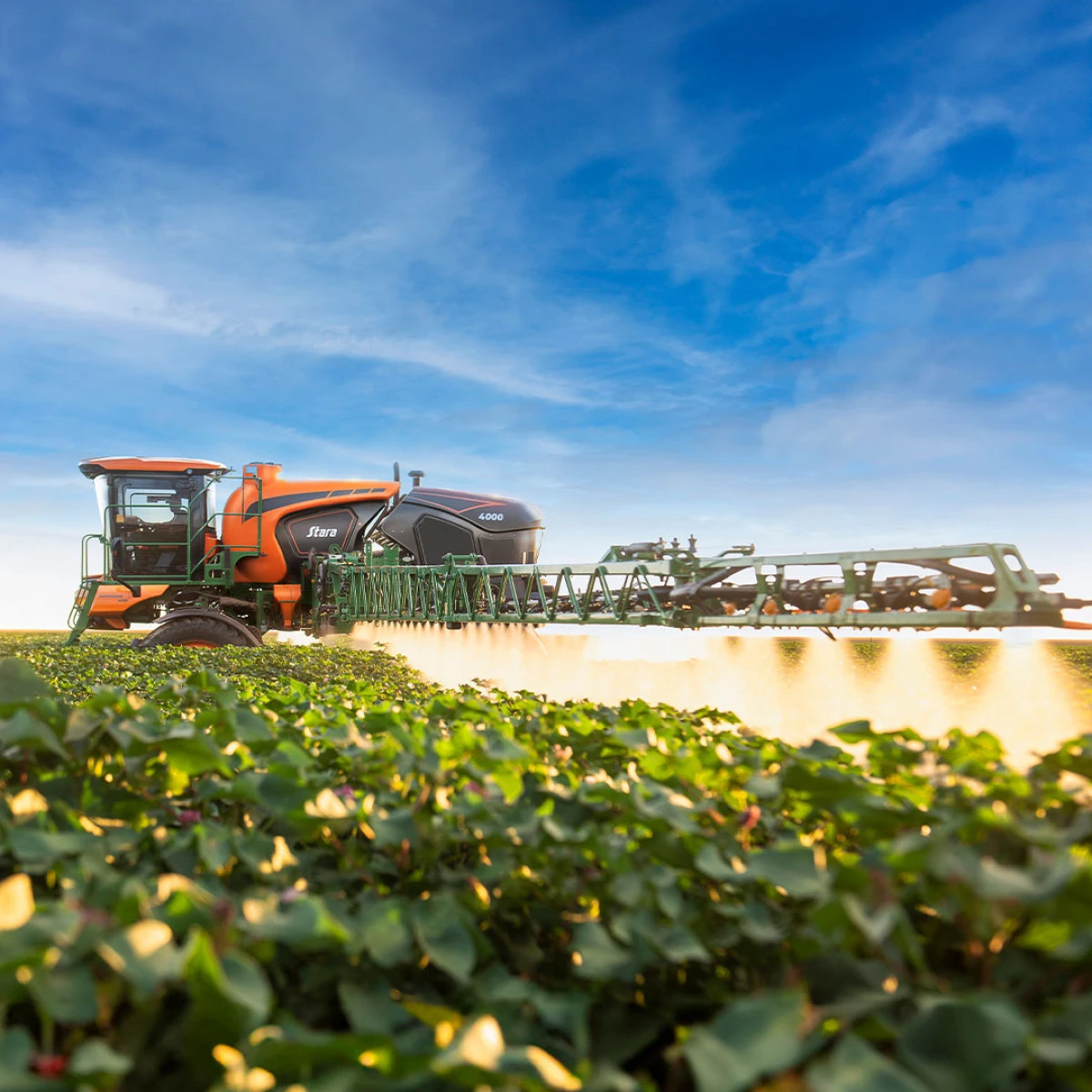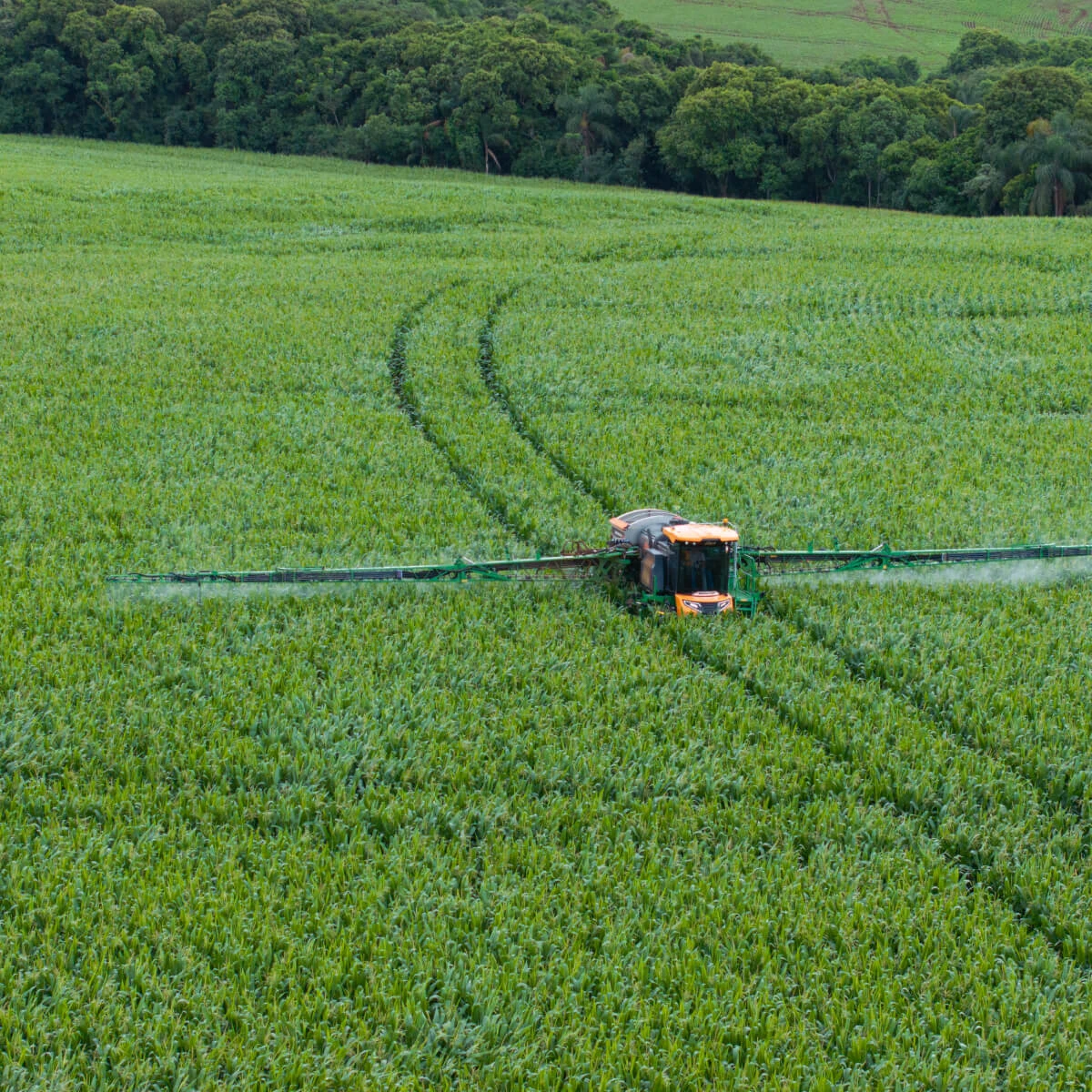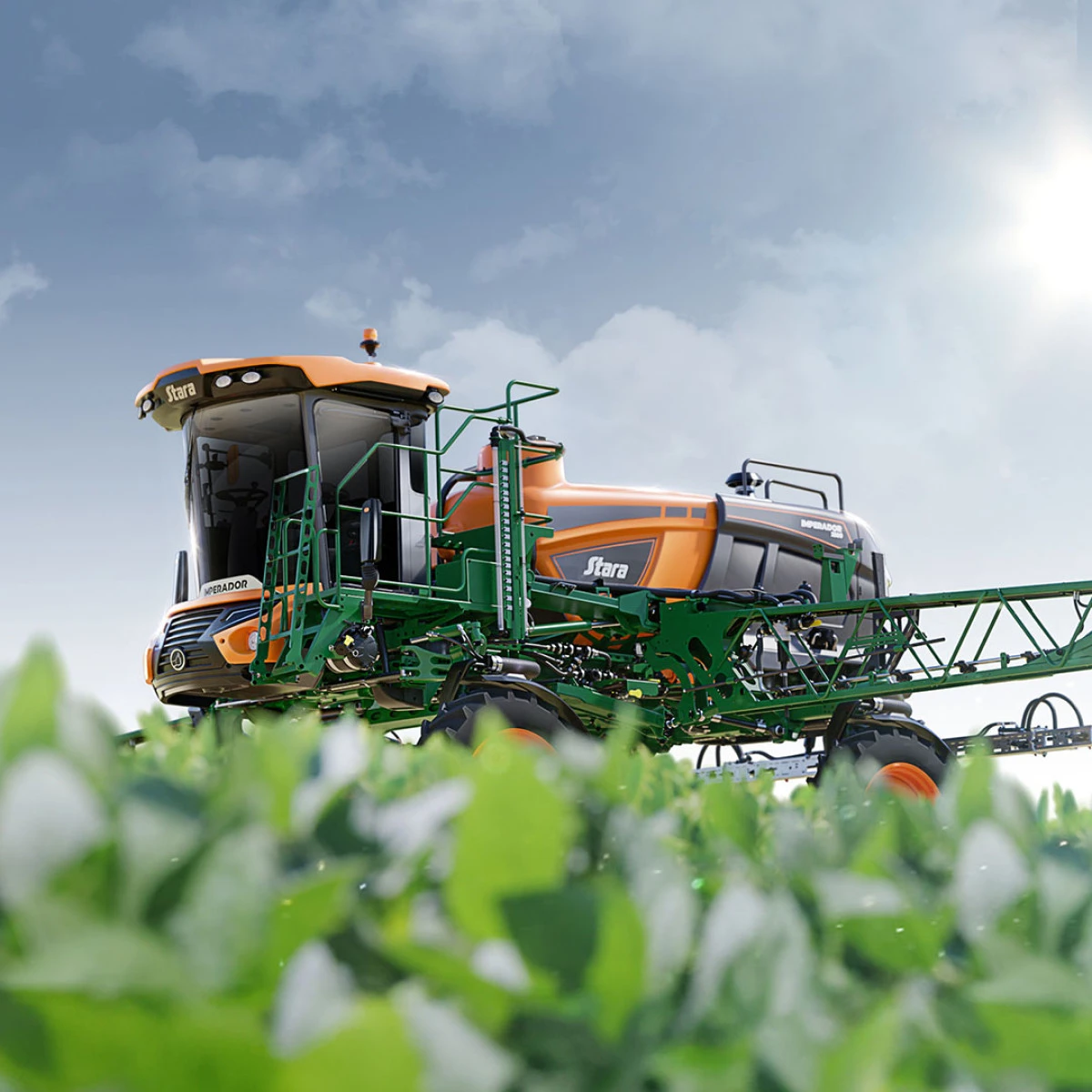



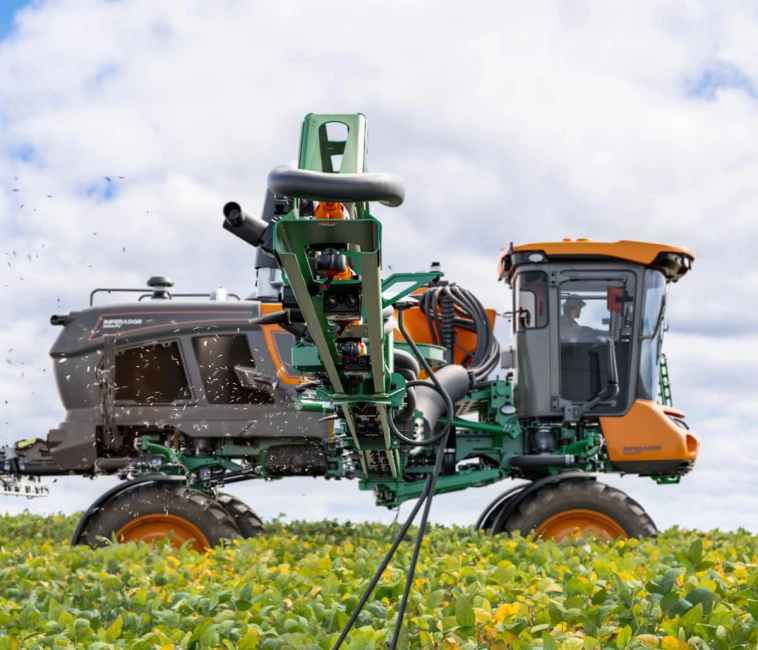
Brazilian studies on sprayer filling points, such as the one published in the Brazilian Journal of Agricultural and Environmental Engineering (RBEAA), show that dedicated areas for this activity increase operational efficiency and reinforce the sustainability of spraying practices on the farm.
In practice, filling is no longer just a downtime and becomes a strategic stage in the application process. When the farmer organises the area, standardises the preparation of the spray solution and follows a clear procedure, he guarantees greater accuracy in the dose applied, improves operator safety and greater sprayer stability during field operations.
This content presents five practical guidelines to make fuelling safer, faster and more efficient, boosting productivity and the quality of spraying operations.
What Is Sprayer Fuelling And Why Does It Influence Efficiency?
Filling agricultural sprayers is the process of preparing the equipment for application, adding water, products and adjuvants in the correct order and ensuring that the final volume complies with technical recommendations.
This stage determines the quality of the spray solution and directly influences droplet pattern, system pressure and operational performance.
When fuelling is done carefully, the sprayer operates steadily, with consistent uniformity and a reduced risk of breakdowns during the working day. Among the factors that make filling essential for efficiency are:
- Ensuring spray solution homogeneity to prevent control failures;
- Reducing blockages in filters, hoses and nozzles;
- Pressure and flow rate stability;
- Better utilisation of applied solutions and waste reduction.
With good practices, the operator keeps the sprayer ready to deliver uniform and predictable application, a key condition for productivity in crop management.
Before Filling: Learn How To Prepare The Agricultural Sprayer
Preparing the agricultural sprayer before filling creates the ideal conditions for the subsequent steps to proceed with a stable spray solution, continuous flow and uniform application. Below, you'll find the essential precautions highlighted by Stara's team of specialists.
Pre-Cleaning Of The Tank, Filters And Nozzles
Before adding water or products, the operator must ensure that the entire system is free of residues. This includes:
- Fully empty the tank;
- Wash the internal walls, agitators and valves;
- Remove filters and nozzles for individual cleaning to prevent blockages;
- Check for cracks, dried-out rubbers or dirt buildup.
This helps reduce blockages and ensures that the mixture is not contaminated by residues from previous sprayings.
Water Quality
The water quality used for filling directly affects the stability of the spray solution and the sprayer performance. The water must be clean, clear and low in particles, which promotes a homogeneous mixture of the products and maintains the standard of agricultural spraying.
By using water from a reliable source, the operator ensures better dilution of the inputs, preserves nozzles performance and maintains application uniformity.
This also facilitates the work of electronic systems and spray sensors, which operate more accurately when the spray solution is stable and properly prepared.
Use Of Specialised Products
The sprayer should be cleaned using products specifically designed for agricultural equipment. Neutral detergents, tank-specific cleaners and solutions recommended by the manufacturer preserve internal components, maintain nozzles integrity and help create a more stable spray solution.
By choosing suitable products, the operator facilitates rinsing, reduces residue buildup and maintains the application standard. These precautions also benefit the operation of electronic systems and the agricultural controller, which perform better when the equipment is clean and prepared with solutions recommended for agricultural use.
5 Practical Tips For Efficient Sprayer Filling
Efficient filling starts before the spray solution even enters the tank. It involves calculating the doses correctly, selecting the filling site carefully, handling the inputs with care, and checking the sprayer before heading out to the field.
The following five tips help the operator prepare the equipment safely, ensure spray solution stability, and achieve greater operational efficiency in the field.
-
Calculating The Correct Volume Of Water Per Hectare
Before filling, determine the application rate according to the crop, target density and type of nozzle used Accurate calculations prevent later adjustments and maintain uniform treatment across the field.
-
Choosing The Ideal Location For Filling
Prefer flat, well-drained areas with easy access to the tank and inputs. A fixed filling point standardises the process, avoids unnecessary movements and makes cleaning easier.
-
Handling Inputs Safely And Accurately
Follow the label instructions, add the products in the recommended order, and use full personal protective equipment (PPE). The correct sequence ensures a stable spray solution, improves dilution, and promotes a consistent droplet pattern in the field.
-
Avoiding Excessive Foaming and Incorrect Mixtures
Add each product slowly, keeping the agitator running continuously. If necessary, use antifoaming agents recommended for spraying, ensuring a more homogeneous and stable spray solution.
-
Checking Pressure, Filters And Lines Before Starting the Application
When the tank is full, check the working pressure, filters integrity and unobstructed flow through the lines. These checks ensure that the sprayer operates accurately from the very first metre of the field.
How To Fill The Sprayer Correctly?
Filling should follow a clear sequence to ensure a homogeneous spray solution and preserve the sprayer’s performance. The sequence below helps the operator to organise the process safely and precisely:
- Start by adding water until the tank is about one-third full, allowing the agitator to operate from the beginning;
- Add the products in the order indicated on the label, always keeping the agitation system running;
- Top up with the remaining water, maintaining the same filling rate, which promotes a uniform mixture;
- Check the mixture and, if necessary, add a recommended antifoaming agent to maintain a uniform spray solution;
- Finish by checking the tank level, controls and indicators in the cab or on the agricultural controller before heading out to the field.
What Is The Water Consumption Per Hectare In This Operation?
The water volume per hectare varies depending on the crop, the plant’s growth stage, the target type and the nozzles used. For crop management applications, values between 80 and 200 L/ha are most common in the field, always adjusted according to technical recommendations.
Higher volumes improve coverage on dense targets, while lower volumes make the operation faster when the plant structure allows.
Before filling, confirm the application rate on the agricultural controller, check the droplet pattern of the nozzles and adjust the pressure according to the sprayer model. This combination ensures better spray performance and stability.
Essential Precautions For Precise And Efficient Filling
Certain precautions help the operator maintain a stable spray solution, preserve system flow, and ensure the sprayer operates uniformly from the start of the application. These precautions enhance safety, organisation and proper equipment preparation.
Keeping filters serviced, nozzles clean and lines ready to receive the spray solution ensures a continuous flow. Pre-circulation with clean water helps prepare the system and facilitates the mixing of inputs during filling.
Spray solution stability depends on the correct order of product addition, droplet pattern, and pressure adjusted according to technical recommendations. Properly adjusted nozzles and an active agitator contribute to uniform spraying with a lower risk of drift.
The use of full PPE, filling in suitable areas, and proper handling of rinse water enhance good environmental practices. These precautions make the routine more organised and help the operator keep the whole process within recommended standards.
Filling and Technology: How Stara Machines Boost Efficiency
Stara sprayers incorporate agricultural technologies that make filling more organised, precise and integrated with the rest of the operation. These features help the operator standardise the process, prepare the spray solution correctly, and start the application with greater stability. The main highlights are:
- Efficient agitation of the spray solution, keeping the mixture homogeneous from the first third of the tank;
- Sensors and continuous monitoring, which indicate tank level, flow and any necessary adjustments before entering the field;
- Topper controller, which guides the operator on the application rate and ensures that the filled volume aligns with the per-hectare plan;
- Automatic nozzle-by-nozzle shut-off, which optimises the use of the prepared spray solution and improves efficiency per filling;
- Connectivity via Conecta, allowing remote technical monitoring and support for preparation and filling settings.
These features work together to streamline the process, increase accuracy, and ensure that each filling contributes to more efficient spraying.
Continuous Recirculation System And Spray Solution Agitation in Imperador Sprayers
In Imperador sprayers, the spray tank features an exclusive design with a wave-breaking function, which increases spray solution stability during movement and application. Inside the tank, two types of agitators work together to keep the spray solution homogeneous.
The hydraulic agitator is located inside the tank and is activated automatically whenever the spray pump is running. The mechanical agitator, shaped like a propeller, incorporates the products, ensuring a uniform mixture throughout the tank.
In addition to agitation, the Continuous Recirculation System keeps the spray solution circulating throughout the entire system, from the main tank to the boom tips. This helps prevent product settling, reduces the risk of nozzle blockages, and minimizes residues from previous applications in the lines.
The system operates automatically with the spray pump and stops when the pump is turned off, contributing to more stable, clean spraying and longer component durability.
Ensuring Efficient And Safe Filling
Proper sprayer filling is one of the steps that most influences spray solution accuracy, field efficiency, and application effectiveness. When the operator follows an organised routine, the work proceeds with greater stability and quality.
Combined with the onboard technologies of Stara agricultural machinery, this care ensures that each operation is carried out uniformly, input savings and better time efficiency in the field. The result is more efficient spraying and better crop protection.
Frequent Asked Questions About Sprayers Filling
Can you put bleach in the sprayer?
It is best to use only products specifically designed for agricultural cleaning, as these are developed to preserve nozzles, filters and lines. The water should be clean and free of residues, ensuring optimal preparation of the spray solution.
What is the ideal speed to start spraying after filling?
It depends on the area and the equipment configuration. Self-propelled sprayers generally operate at speeds between 10 and 18 km/h, provided the boom is stable and the nozzles maintain the correct application pattern, with the Imperador line standing out for its central boom.
How long does it take to spray 1 hectare?
The time varies depending on the boom width, speed and application rate. A self-propelled sprayer can cover up to 50 hectares per hour, while trailed models operate at lower work rates. Operational efficiency depends on the machine settings and field conditions.
Is it necessary to remove filters and nozzles before filling the tank?
Yes. Removing filters and nozzles makes inspection easier and ensures the system is ready to receive the new spray solution. This precaution improves component performance and contributes to a more uniform application.
Did you like the suggestions and want to find the right agricultural machinery for your farm?
Visit a Stara dealership and find the most suitable equipment to maximise your agricultural production. Request a quote.