


Ergonomics plays a key role in agricultural productivity. Research by UTFPR into agricultural machinery cabs has shown that vibration, noise, poor posture and controls that are difficult to reach can increase operator fatigue, compromising both safety and efficiency.
As farming becomes increasingly mechanised, greater attention is being paid to operator comfort and working conditions. Good visibility, climate control, sound insulation, machine stability, accessible controls and automation can all reduce the physical and mental demands placed on operators. The importance of these factors is also recognised by Brazilian Regulatory Standard No. 31 (NR-31), which sets out requirements for safety, ergonomics and suitable working conditions in rural activities.
This article explains how ergonomics affects agricultural productivity, what Brazilian legislation requires and how the technology fitted to Stara machinery helps operators work more comfortably, accurately and efficiently. Read on!
What does ergonomics mean in agriculture?
According to research by UFJF-GV, ergonomics in agriculture involves adapting tasks, equipment and the working environment to the operator's physical and cognitive capabilities. The aim is to reduce excessive effort, fatigue and the risk of injury during fieldwork.
Several factors need to be considered when providing agricultural machinery operators with safe, comfortable and productive working conditions.
Noise, vibration and heat
Prolonged exposure to noise, vibration and heat can increase physical and mental fatigue, while also affecting comfort and concentration. This makes features such as an enclosed cab, effective sound insulation, climate control and an operator-focused design particularly important.
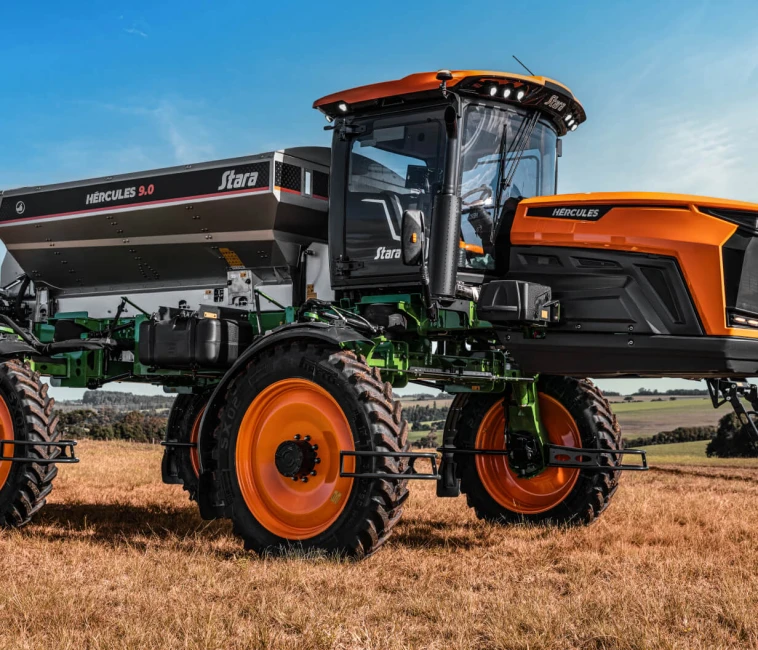
All Stara self-propelled machines are developed with these factors in mind. Hércules 9.0, for example, is designed to provide a high level of operator comfort while maintaining efficient spreading performance.
It features the best cab in its class, with a spacious interior and excellent sound insulation. The machine is also powered by a six-cylinder, 300 hp and 6 cilinders Volvo engine, which helps keep noise and vibration inside the cab to a minimum. LED lighting improves visibility during night operations, while air suspension helps maintain stability on uneven ground. Watch the video to find out more:
Posture and access to controls
Seat and control layout has a direct impact on how tiring a machine is to operate. Repeatedly reaching for controls, twisting to one side or sitting in an awkward position for long periods can quickly lead to fatigue. Controllers, monitors and automation systems should therefore be fully integrated into the operator station and positioned within easy reach.
On Stara machines, the Topper controller, auto steering and automatic section control take care of many routine tasks, reducing the need for repeated input and making the machine easier and more comfortable to operate.
Reducing repetitive tasks
Agricultural automation reduces the need for constant operator input, allowing the operator to focus on monitoring the machine and making more important decisions.
This shows that good ergonomics in agriculture involves more than a comfortable cab. It also depends on how well the operator, the machine, its on-board technology and the conditions in the field work together.
Connectivity can also ease the operator's workload by providing quicker access to information and making field activities easier to monitor. Land Space is a Stara technology platform that brings together the company's main digital solutions for agricultural machinery, connecting machines and data to provide a complete view of farm operations.
Why does operator comfort matter?
A well-designed operator station makes it easier and safer to adjust speed, monitor key operating parameters and manoeuvre accurately, improving efficiency throughout the operation.
Stara agricultural machines are available with a range of features designed to improve operator comfort. As availability varies by model, version and configuration, each machine should be assessed against the needs of the farm and the demands of the work it will perform.
Ramon Cancian, agronomist and Product Marketing Analyst at Stara, explains:
"Stara agricultural machines are designed around the conditions operators face in the field. By combining comfort, ergonomics and quality, we aim to provide machinery that is safer, more efficient and more productive to operate throughout the working day. This commitment improves operating performance and helps ensure the satisfaction of both operators and our customers."
Below are some of the options available from Stara dealers.
Imperador range
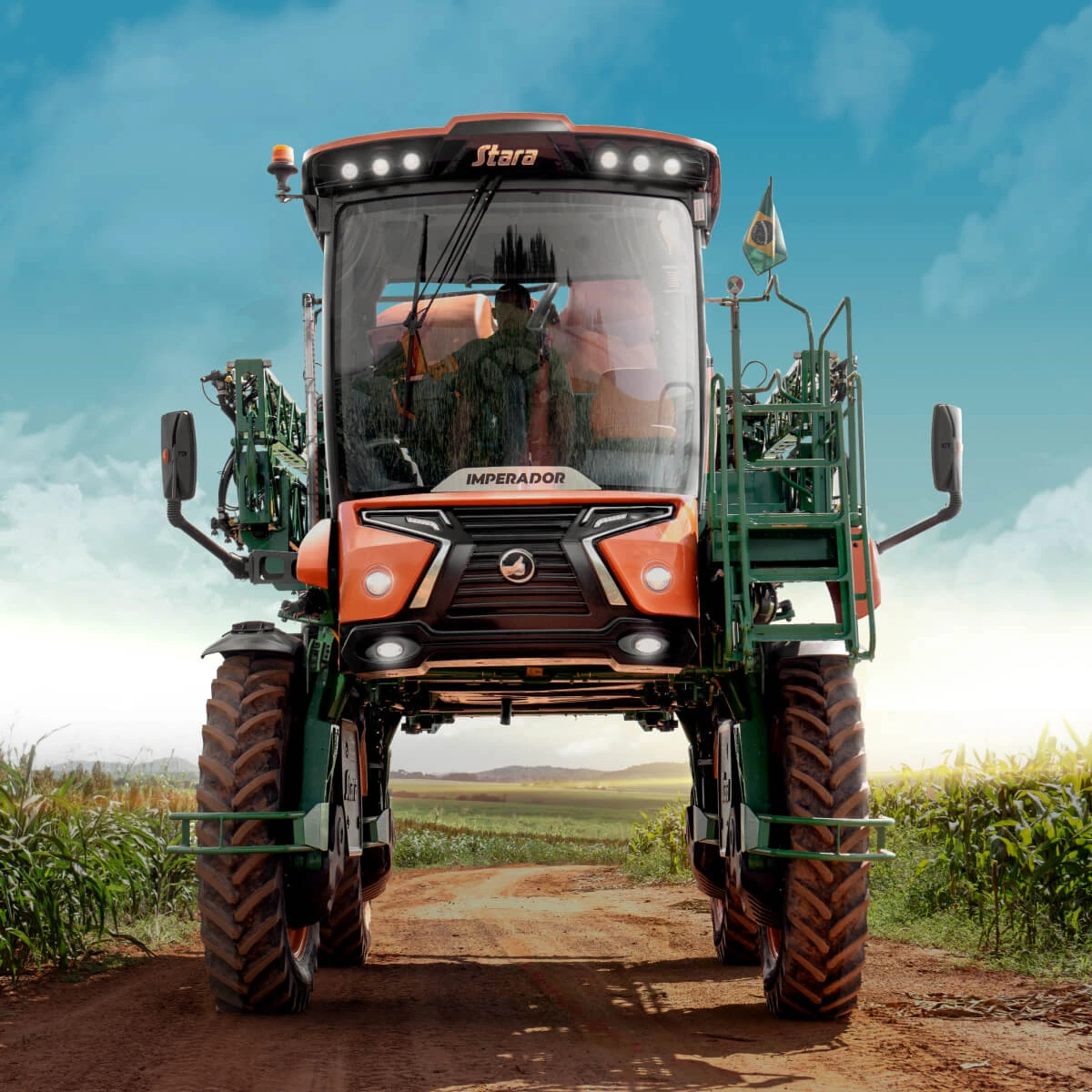
The Imperador range includes self-propelled sprayers with spacious cabs designed to provide a comfortable working environment, excellent visibility and efficient operation. Each model is equipped with technology that helps operators monitor spray applications, automates selected settings and reduces the need for manual input while working.
The Topper 6500 controller brings all key operating information together in a single interface, making the machine's main functions quick and easy to access. It also features the "Follow Me" function, a setup assistant that guides the operator step by step through calibration and machine setup, making both processes simpler and more intuitive.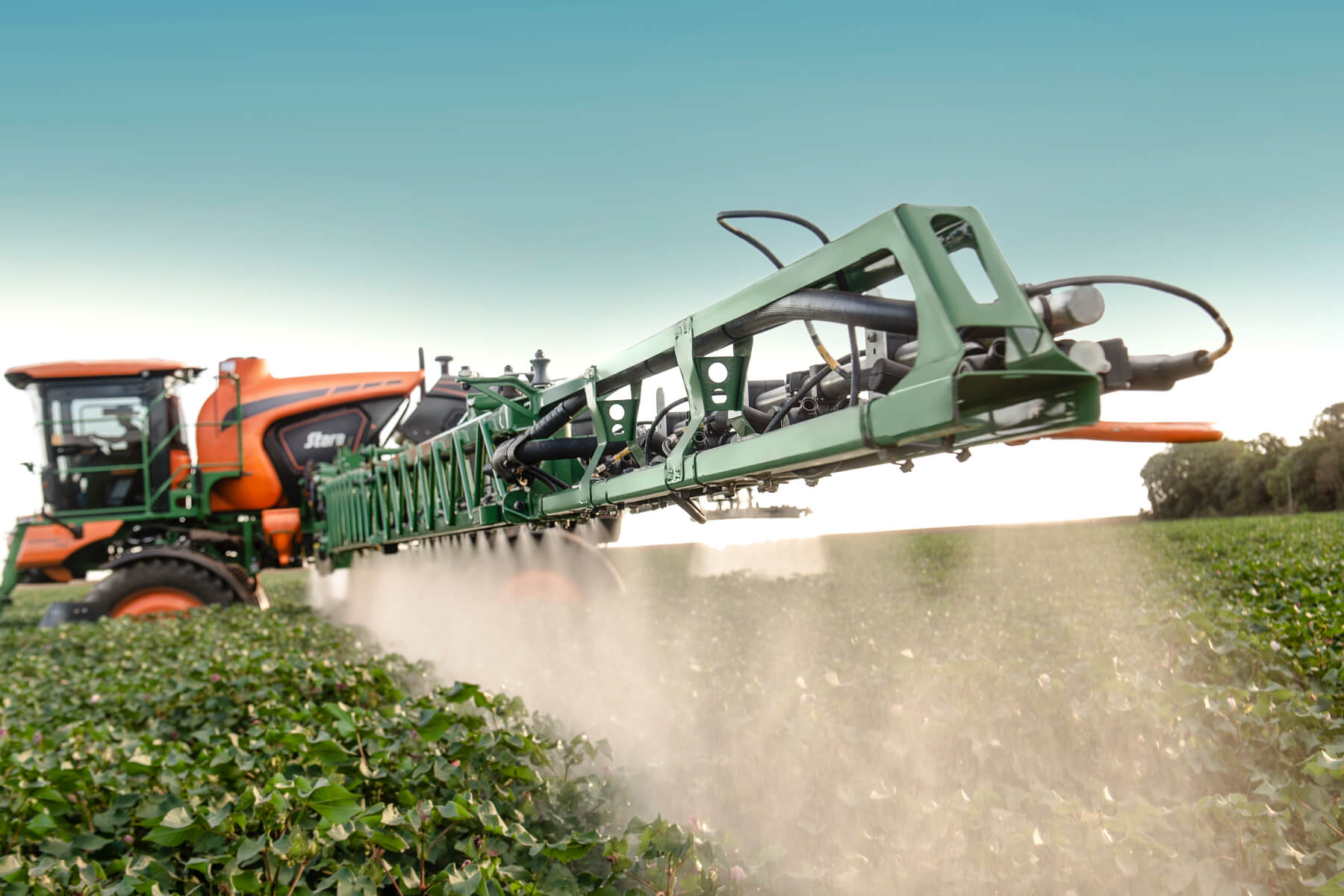
Hércules range
Operator comfort and ergonomics are also key features of the Hércules self-propelled spreaders.
Hércules 4.0 has four main headlights and 12 LED work lights, improving visibility and safety during night operations. Its cab offers excellent all-round visibility and low noise levels, together with an air-suspension seat and an adjustable steering wheel.
Hércules 6.0 features a spacious, comfortable cab, excellent all-round visibility and controls within easy reach, helping reduce operator fatigue over long working days.
Hércules 9.0, the latest self-propelled spreader in the range, has a spacious cab with excellent sound insulation. Its powerful engine also helps minimise noise and vibration.
Stara planters and seeders
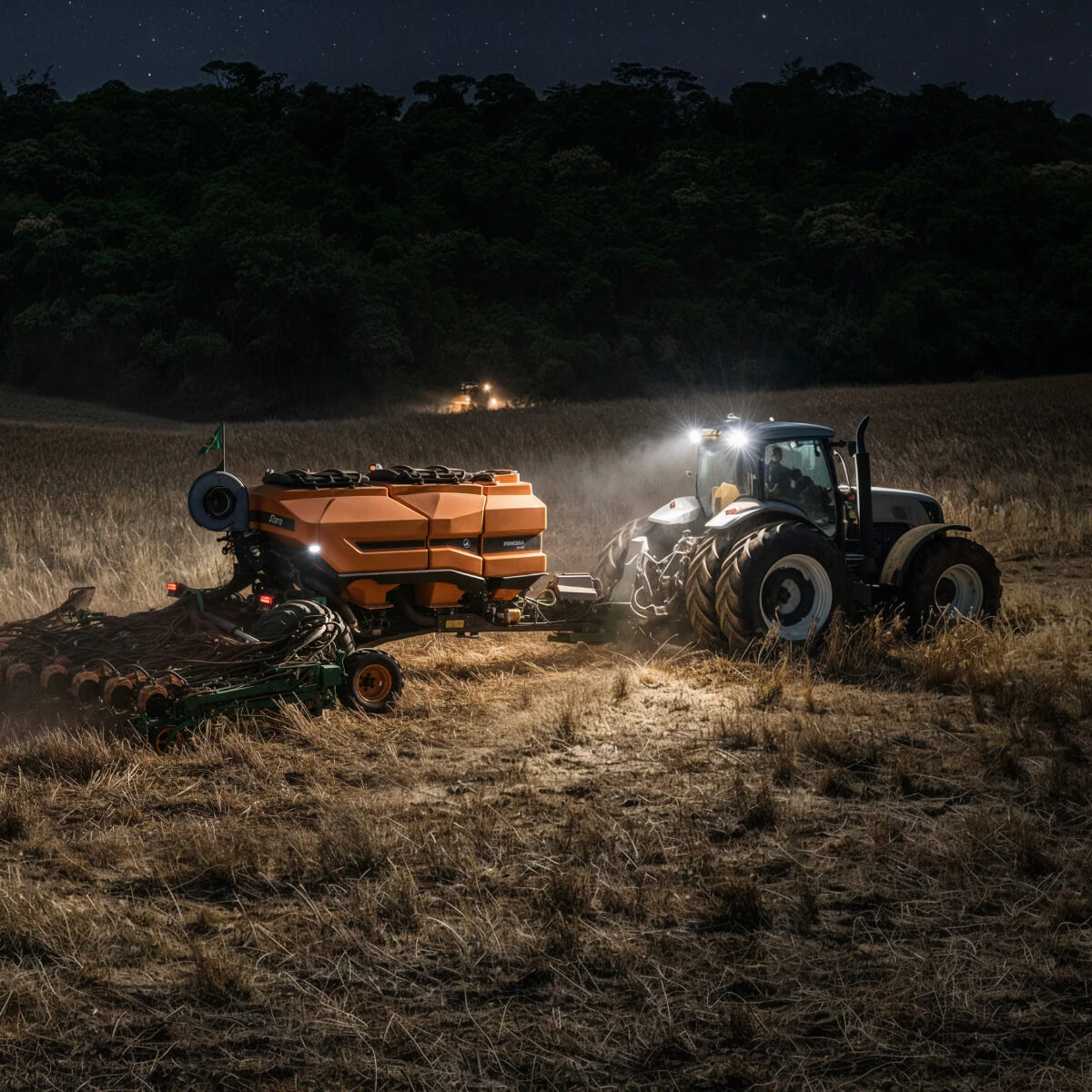
Ergonomic benefits are delivered differently on Stara planters and seeders. Cab comfort depends on the tractor, but the technology fitted to these machines can still make the operator's job easier.
DPS-E, row-by-row shut-off, monitoring sensors and Topper 6500 integration allow operators to track machine performance in real time and spot potential problems quickly. This supports faster decision-making and helps them work more safely, accurately and confidently throughout the day.
What does NR-31 say about ergonomics in agriculture?
NR-31 sets out occupational health and safety requirements for agriculture, livestock farming, forestry, logging and aquaculture. It requires work to be organised in line with ergonomic principles, with tasks adapted to workers' needs and capabilities to protect their health, safety and comfort throughout the working day.
For agricultural machinery operators, the main points to consider are:
- Cab design and access;
- Visibility from the driving position;
- Exposure to noise, heat, dust and vibration;
- Working posture;
- Guidance on the correct use of PPE;
- Training in the safe operation of machinery and equipment;
- Working hours and rest breaks.
NR-31 is more than a legal requirement. It helps farms establish safer working practices, reduce operator fatigue and use machinery more effectively.
How to choose machinery that supports operator comfort and productivity
With this in mind, here are some key points to consider when choosing a machine:
- Good visibility to the front, sides and rear of the cab;
- An adjustable seat and steering column;
- Controls and monitors that are easy to reach and use;
- A clear, easy-to-read display;
- Low noise and vibration levels inside the cab;
- Effective lighting for night work and low-light conditions;
- Automation features such as auto steering, auto section control and telemetry;
- Reliable technical support and aftersales service.
Considering these factors together helps protect operators' health and well-being while improving machine performance and productivity across the farm.
Explore Stara products and services
Frequently asked questions about ergonomics in agriculture
What is fatigue in agricultural work?
Fatigue is the physical and mental strain caused by working in the field for long periods. It can affect concentration, accuracy and reaction times, increasing the risk of accidents.
What is the difference between NR-31 and NR-17?
NR-31 sets out specific health and safety requirements for rural workplaces, including ergonomic principles relevant to agricultural work. NR-17 provides broader guidance on ergonomics across a range of working environments.
Which offers greater operator comfort: an enclosed or open cab?
An enclosed cab generally provides greater comfort by reducing exposure to dust, heat, noise and changing weather conditions. Climate control, sound insulation, good visibility and integrated on-board technology can also help reduce fatigue and maintain concentration during long working days.
Does agricultural automation replace good machine ergonomics?
No. Automation supports good ergonomics but does not replace a well-designed operator station. Auto steering, auto section control and other automated features reduce repetitive operator input, while cab space, seating, climate control and visibility directly affect physical comfort. The best results come from combining automation with good ergonomic design.
What ergonomic risks can agricultural machinery pose to operators?
The main risks include prolonged exposure to vibration, noise and heat, as well as poor posture, restricted visibility, repetitive movements and controls that are difficult to reach.
Found this article useful and want to explore our full range of agricultural machinery?
Visit your nearest Stara dealer to find the right machine for greater operator comfort and productivity on your farm.