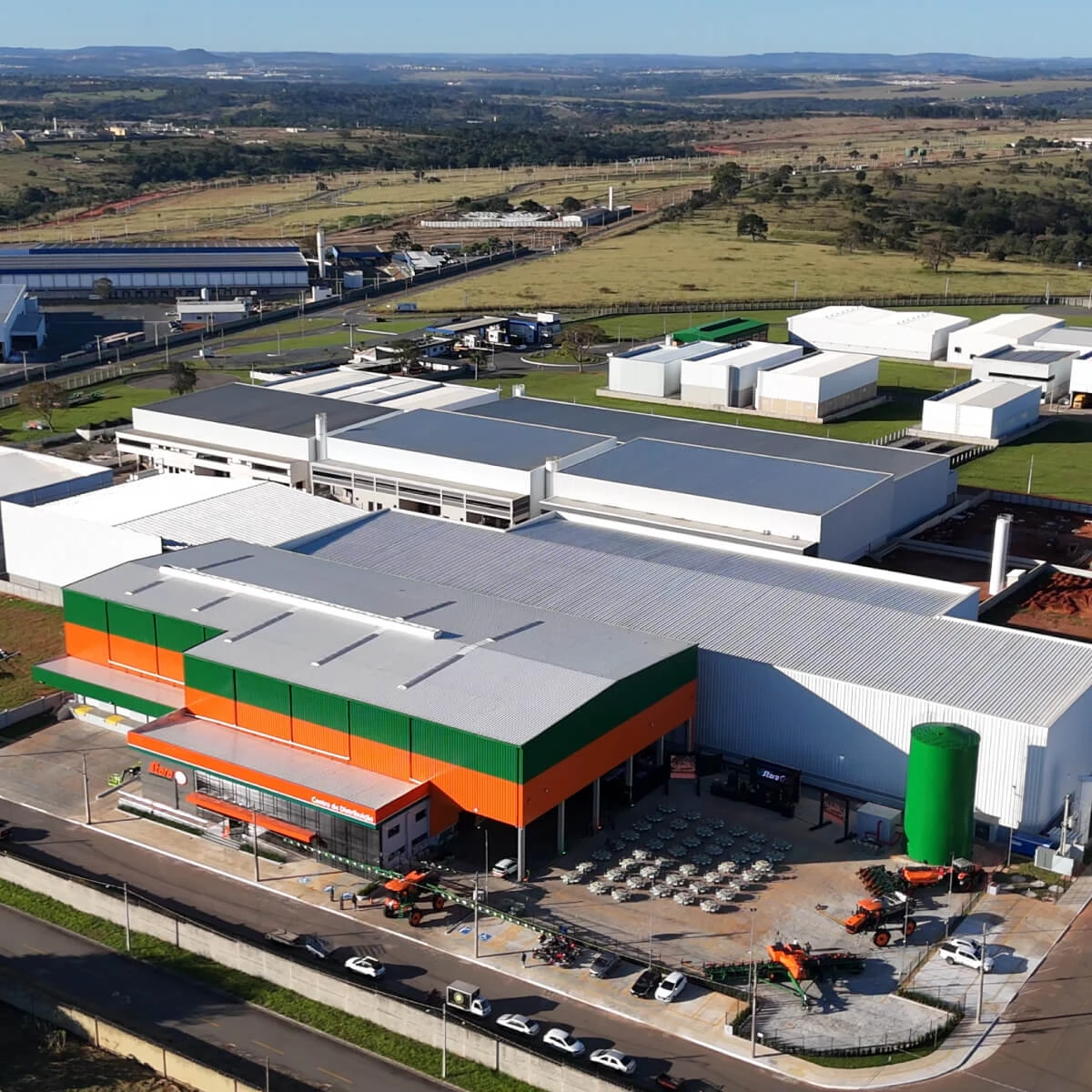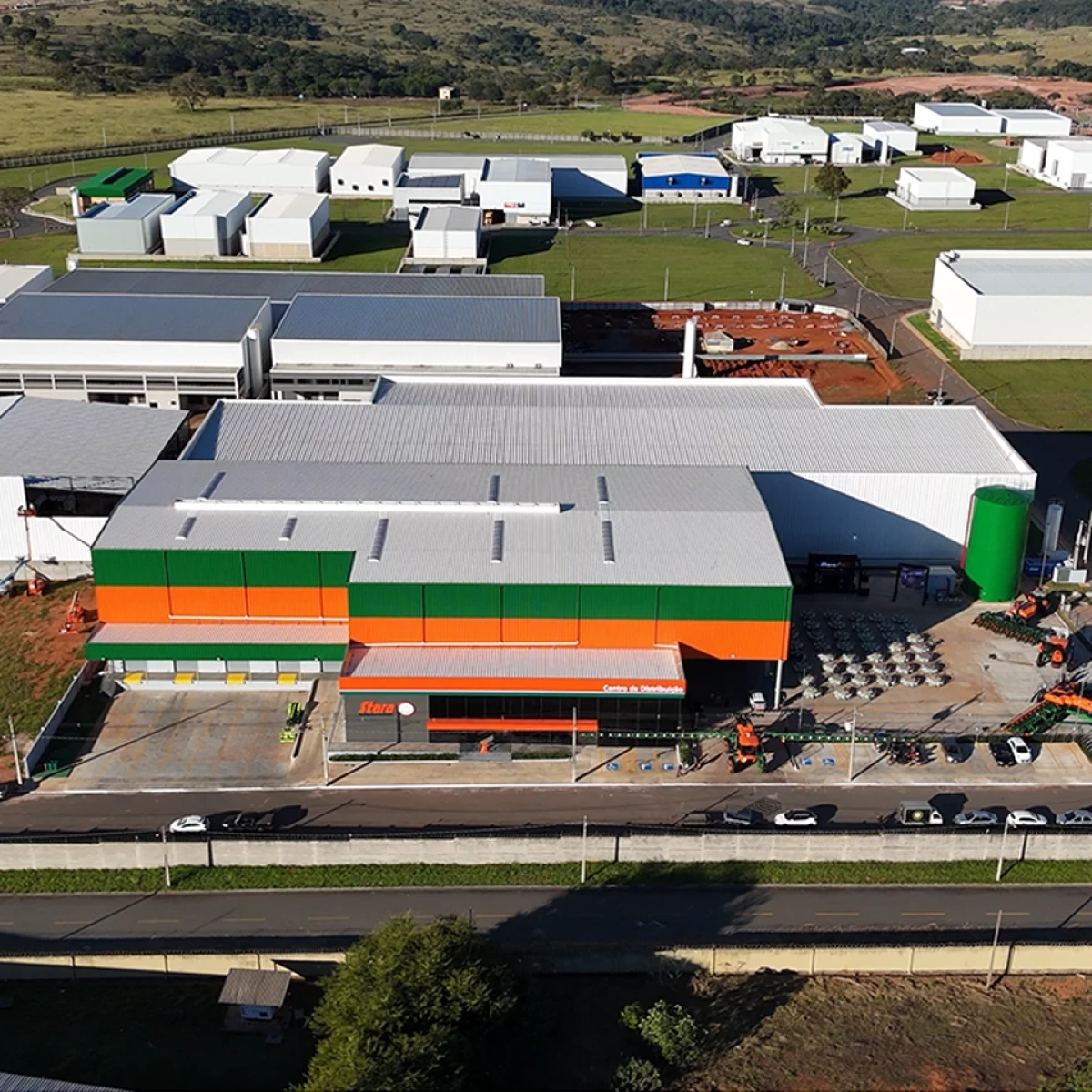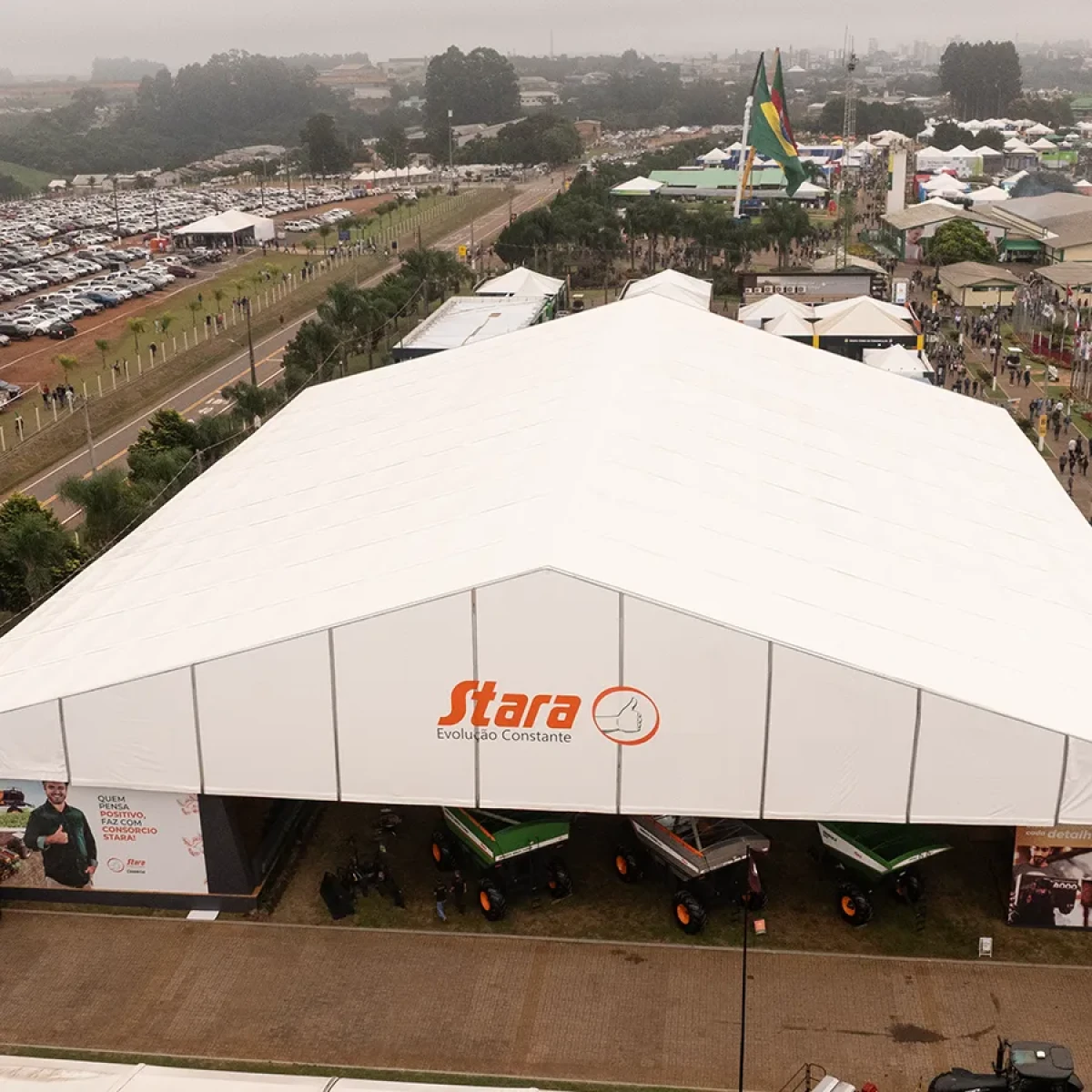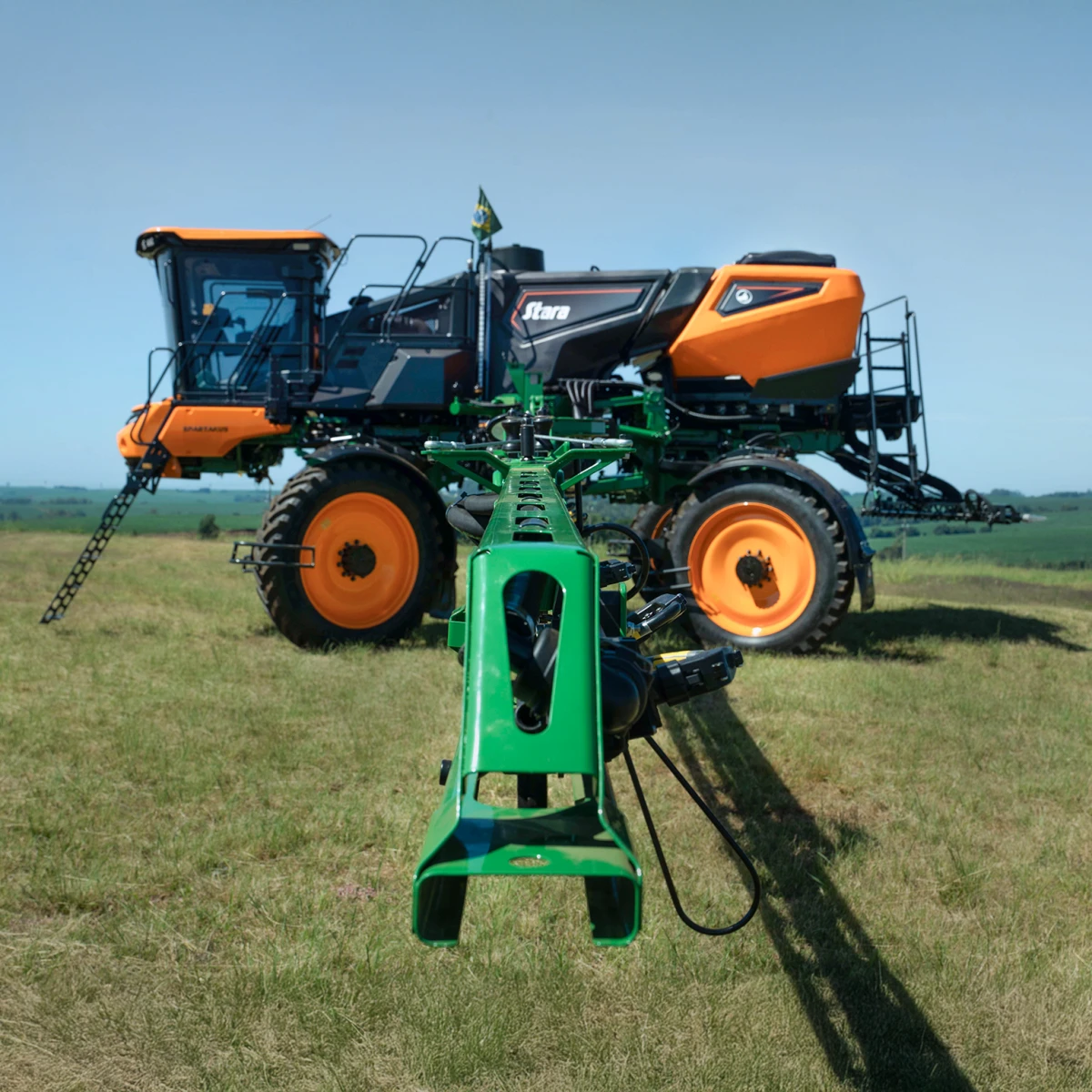



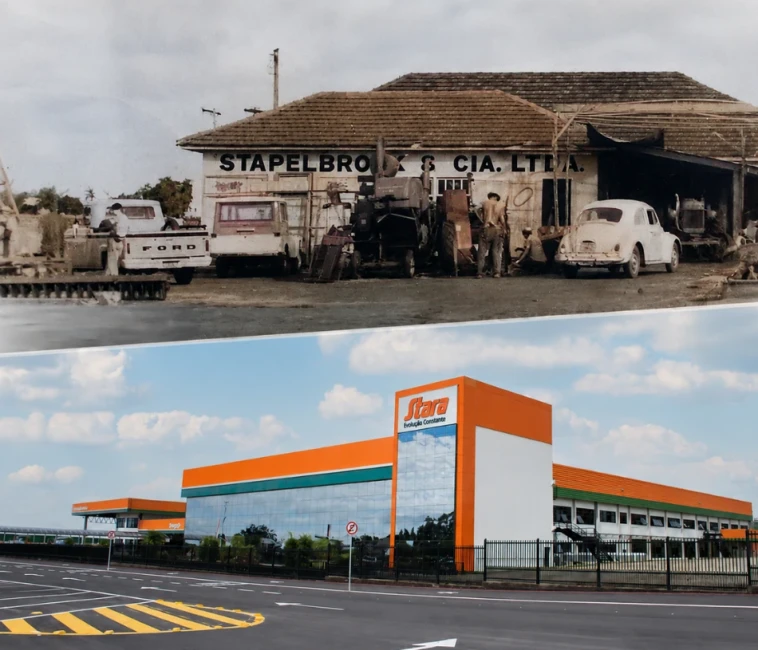
On 29 August, Stara celebrates 66 years since its founding. For 66 years, its story has been built on positivity, simplicity and dedication, shaped by the work of people committed to innovation and continuous evolution. It is a journey of development that has transformed a small workshop into a company recognised in the agricultural machinery market in Brazil and around the world.
Over more than six decades, many people have contributed their work, knowledge and trust to building Stara. Their stories are part of the company's identity and help highlight the values that remain at the heart of the Stara way.
That is why, on this anniversary, Stara looks back on a pivotal chapter in its history and pays tribute to someone whose belief in people and in the company's future left a legacy that remains alive today: Franciscus Johannes Stapelbroek, affectionately known as Seu Chico.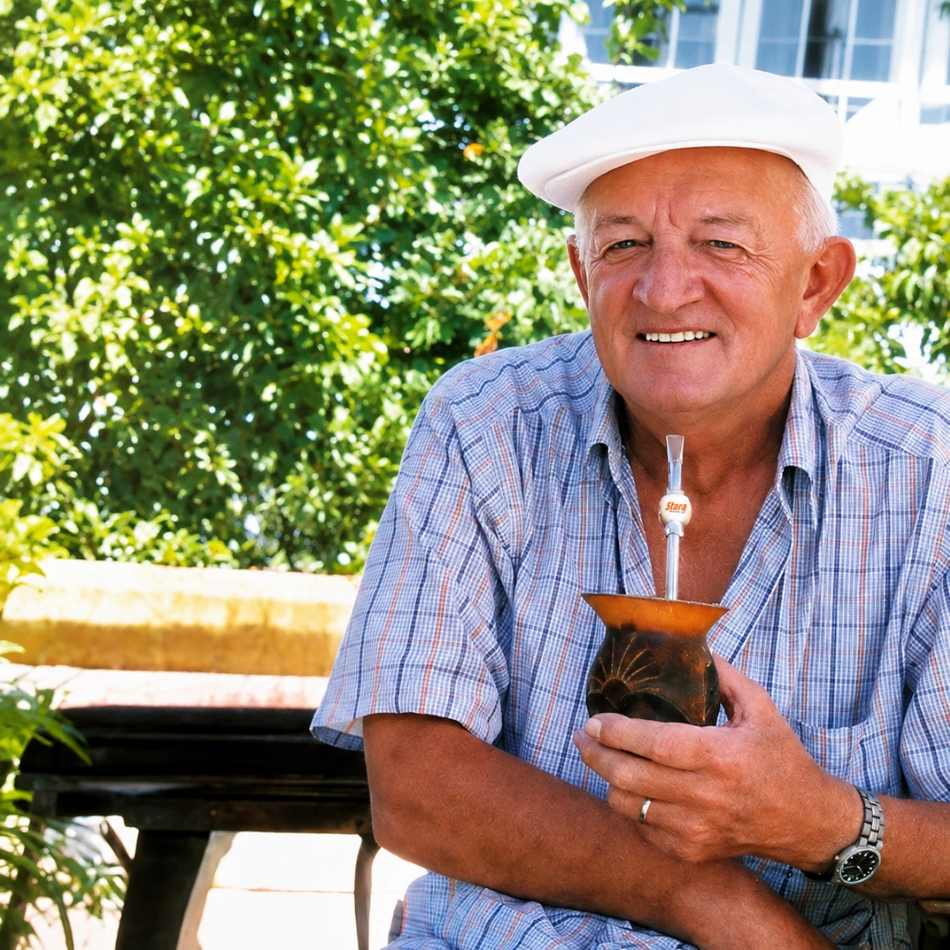
Seu Chico's legacy in Stara's history
Stara began in a small wooden house in the heart of Não-Me-Toque. Amid the sound of metalwork and the smell of the soil, there was a determination to do things differently, inspiring new ideas and a vision for the future.
At first, the aim was to assemble equipment imported from abroad and adapt it to Brazilian soil conditions. Before long, however, Stara began designing and manufacturing its own products. By the 1970s, the company was producing subsoilers, harrows, agricultural trailers and hospital beds, as well as the steerable weeder, the first in Brazil with suspended arms.
As demand grew, the small workshop could no longer accommodate the company's needs, leading Stara to expand its manufacturing facilities. In 1978, the company moved its operations to a new building.
To finance this major expansion, Stara took out loans indexed to the US dollar. Combined with the economic crisis that affected Brazil some time later, this led the company into serious financial difficulties in the early 1980s. Its debt grew to the point where Stara came close to bankruptcy.
Euclésio da Silva, who has worked at Stara since 1979, remembers the difficulties the company faced at the time. "Stara had around 120 employees. When the crisis hit, there were layoffs and the workforce was reduced to just 22 people. We went almost 11 months without being paid. The company practically shut down. We would come in just to clock in. We didn't even turn the lights on because there was nothing to do. We would sit around playing cards," he says, explaining that he stayed with the company because he could rely on support from his family. "Luckily, I was single and living with my parents," he adds.
Despite the uncertainty, Euclésio remembers that his occasional conversations with Franciscus Johannes Stapelbroek, affectionately known as Seu Chico, gave him confidence that the company would recover. "Whenever we saw Seu Chico, he would always say, 'One day, all of this will pass.' And the first thing he asked was how our families were doing. He never forgot about our families, even though he knew we were going through that crisis and that difficult situation. That really stayed with me," he recalls.
A decision that changed the course of Stara's history
As Euclésio recalls, it was Seu Chico who chose to back Stara during that difficult period, becoming one of its greatest supporters. The son of the company's founder, he had been involved with Stara from its early years, but later left the partnership to pursue a personal calling: farming.
His connection to the land, nurtured since childhood, had always been strong. In an interview for a magazine celebrating Stara's 39th anniversary, published in 1999, he expressed that feeling clearly. "I love the land and nature. I find fulfilment in farming. I don't see agriculture simply as a way of making money. I genuinely love what I do and find fulfilment in working alongside the people who work with me."
Driven by his love of farming and his entrepreneurial instinct, Seu Chico became a respected farmer in the region. In 1982, aware of the difficulties the company was facing, he decided to invest his savings in Stara to keep his family's dream alive. "Industry is closely linked to agriculture, and this sector is part of our family's history. After investing capital to help the company through a difficult period, I am very pleased today that I made that decision," he said in the same interview.
Over the years, although he was not directly involved in managing the company, Seu Chico left his mark through his management experience and strategic vision. He provided financial guidance and, above all, had the wisdom to put the right people in the right roles. In a video preserved in the Stara Archive, he shared his view of what truly forms the foundation of an organisation: "The key is management: knowing how to manage and how to lead the people who work with you. Employees are the most important part."
Among the right people he brought into the company was his son-in-law, Gilson Lari Trennepohl. Although he recognised the potential of the ambitious young man, full of dreams and eager to work, Seu Chico may not have imagined that this decision would help shape Stara's future. His encouragement and trust paved the way for a new era, bringing together the experience of the past and the boldness of a new generation, and transforming a modest manufacturing company into Brazil's leading name in agricultural technology.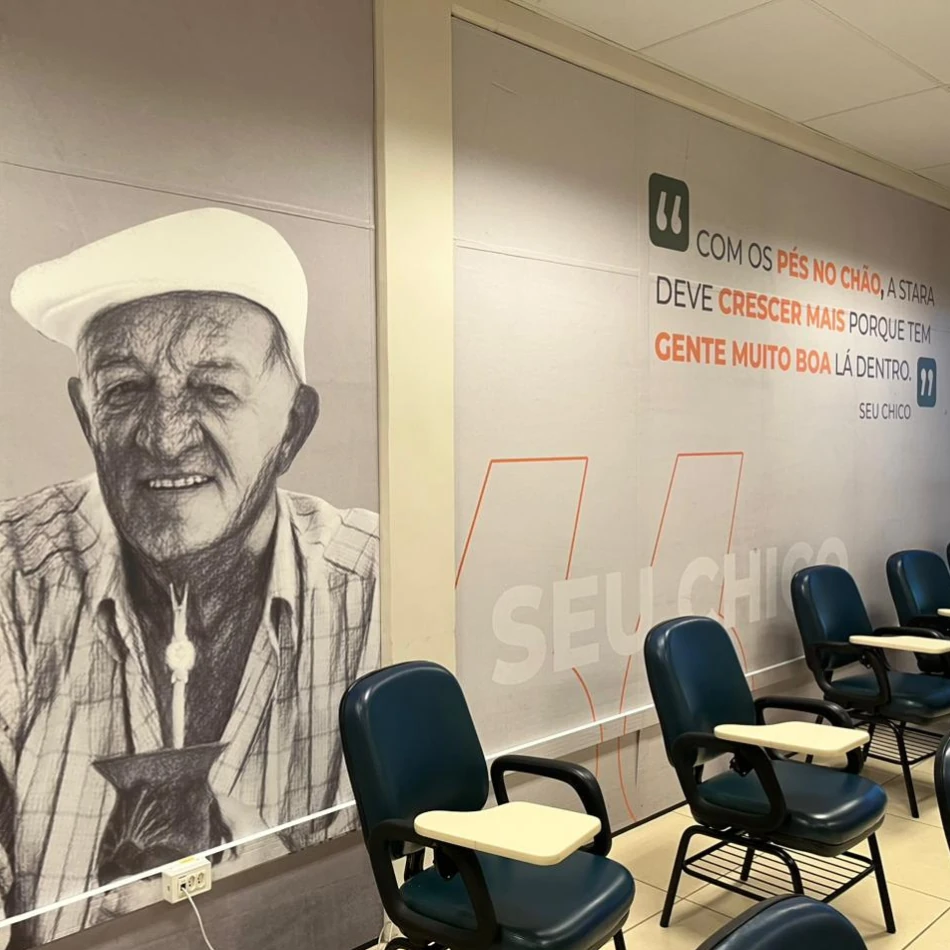
A presence that inspires the Stara way
Represented in quotes and photographs displayed throughout the corridors of every Stara site, Seu Chico's legacy remains alive, resonating in the company's day-to-day life even among those who never had the opportunity to meet him. More than preserving the history and example of someone who helped transform Stara's journey, this symbolic presence reinforces, day after day, the philosophy and purpose that continue to guide the company.
Spoken with sincerity, many of Seu Chico's sayings reflect the values that shape the Stara way. "The most beautiful things in the world are free," for example, celebrates the virtue of simplicity and the importance of recognising the value of things that cannot be bought. His saying, "Family is the foundation of everything. Even a bird in the wild looks for its nest," reflects the warm and caring outlook that inspires the company, with an ongoing commitment to the well-being of employees and their families, grounded in respect for and appreciation of people.
The lessons he left behind also reflect the importance of integrity, highlighting the need to act with ethics, humility, responsibility and awareness in everything we do. "You have to live well with your family and friends and be absolutely honest. I think that's the essence," Seu Chico would say.
Some of his words also looked to the future, reflecting the vision of someone who could see beyond the present. "With its feet firmly on the ground, Stara should continue to grow because there are some very good people there," Seu Chico once said. Today, every achievement bears out that belief, showing that progress comes from believing in people, building on dedication and staying true to its roots and values while looking to the future.