


The planting window is one of the most important considerations of the season because it defines when conditions are most favourable for germination, crop emergence and achieving the crop's yield potential. Making the most of this window requires farmers to assess the weather, soil moisture and cropping calendar, select the crop, secure inputs and ensure they have the capacity to complete planting on time.
Good crop performance depends on more than knowing the recommended planting dates. Machinery, operators, refilling and field logistics must all work efficiently to make the most of the available window.
That is why farm machinery management and telemetry give farmers greater control over planting operations. Real-time data on machine location, work rate, causes of stoppages, application maps and machine performance allow farmers to act before delays build up.
In this article, we explain what a planting window is, how it is determined and how farm machinery, telemetry and precision farming techniques can help farmers complete planting on time. Read on!
What is a planting window?
A planting window is the recommended period for planting a crop in a particular region. It takes account of local climate, crop type, water availability, temperature, frost risk, rainfall extremes and the conditions needed for successful crop establishment and development. The planting window helps farmers decide when to plant, reducing risk and giving the crop the best possible start.
Planting within the recommended window involves more than checking the cropping calendar. The recommended dates must also be weighed against practical questions such as:
- Can my machinery fleet cover the entire area in time?
- Can the required work rate be achieved without compromising seed placement?
- Can supplies of seed, fertiliser and other inputs keep pace with the machines?
- Can my operators minimise overlaps on headlands and along field margins?
- Do I have enough field data to set and monitor daily targets?
- Will technical support be available if adjustments are needed?
Once these questions have been addressed, the planting window becomes more than a set of dates on the calendar and serves as a strategic tool for production planning.
How are planting windows determined?
Recommended planting periods across Brazil are defined by the Agricultural Climate Risk Zoning programme (ZARC). According to Brazil's Ministry of Agriculture and Livestock, ZARC studies assess factors including climate, soil type, water availability and crop cycle using a methodology validated by the Brazilian Agricultural Research Corporation (Embrapa) in partnership with other institutions.
ZARC data identify the planting periods with the lowest climate risk, but making full use of those windows still depends on how planting is organised on the farm. Even with the best available planting calendar, farmers may be unable to complete planting within the recommended window if their fleet lacks sufficient capacity, input logistics cannot keep pace or machinery is not scheduled and managed effectively.
Why is the planting window important for crop yield?
The timing of planting has a direct impact on yield because it determines the conditions the crop encounters during its critical early stages. When planting takes place at the right time, soil moisture, temperature and sunlight are more likely to support germination, emergence and early crop development.
Delayed planting increases exposure to climate risks such as water stress, frost and high temperatures, which can reduce the crop's yield potential.
Farmers must therefore establish the crop within the recommended period while maintaining the required work rate and planting quality.
Efficient farm machinery and connected technologies help farmers achieve this by supporting planning, monitoring and timely decision-making in the field.
How do farm machinery and implements affect planting within the available window?
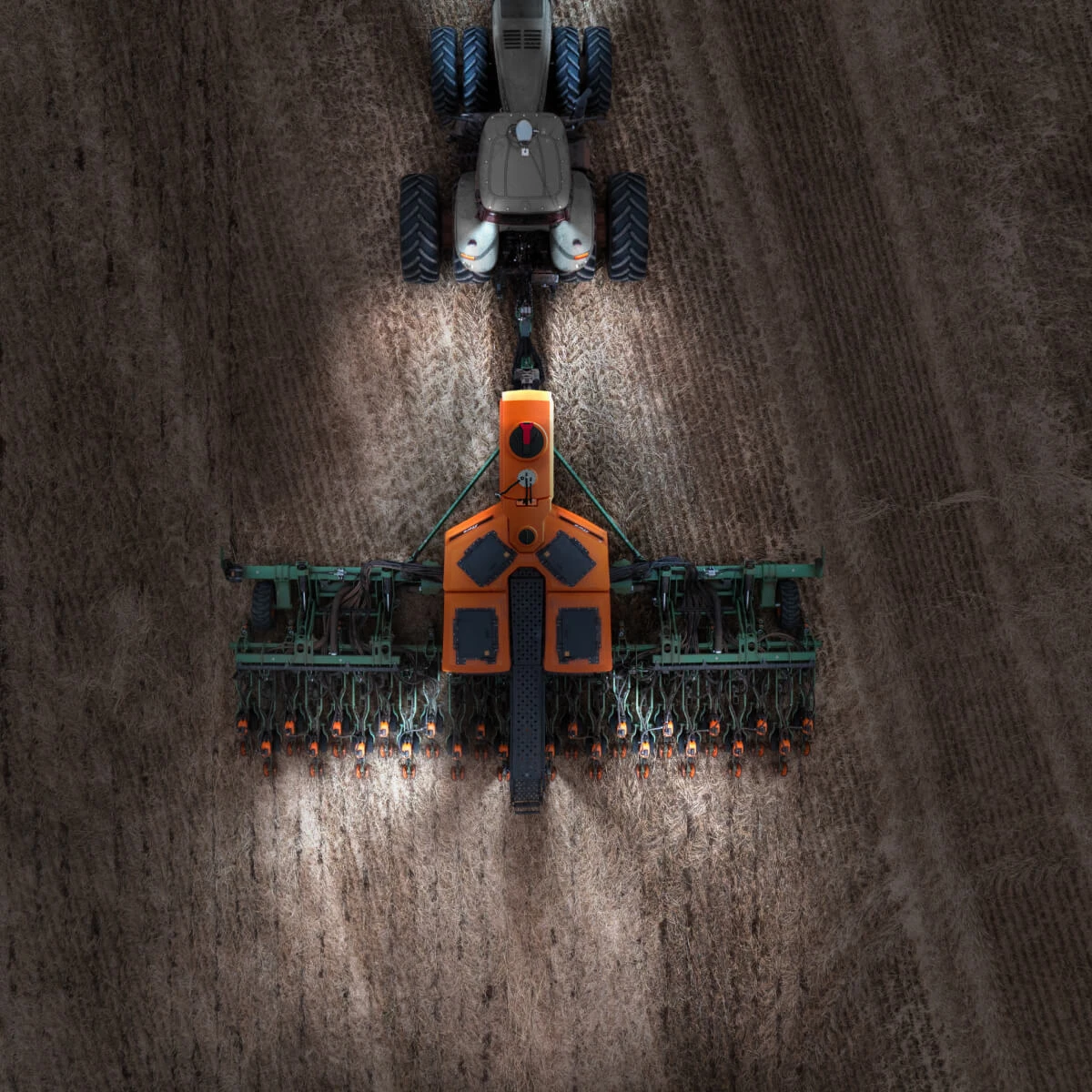
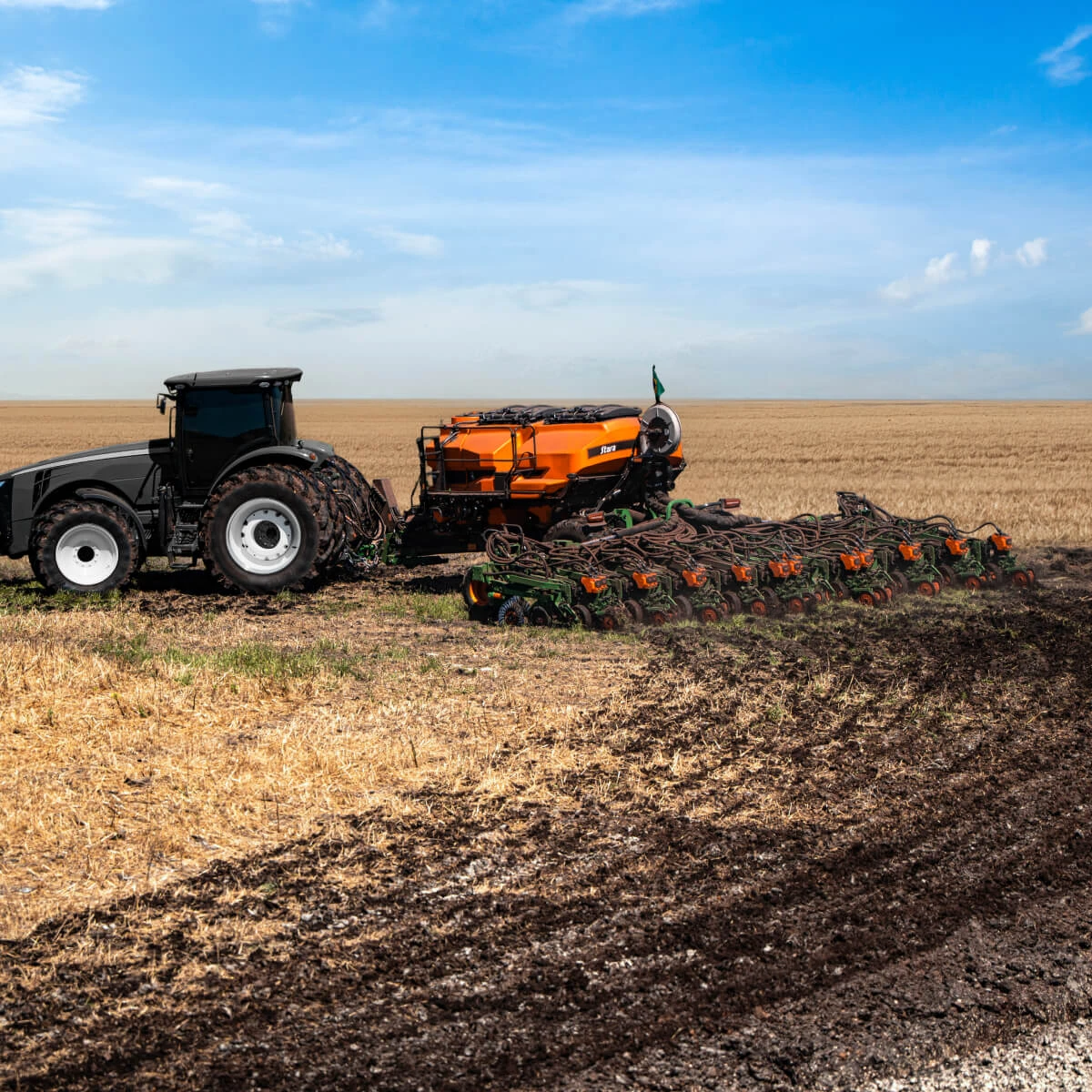
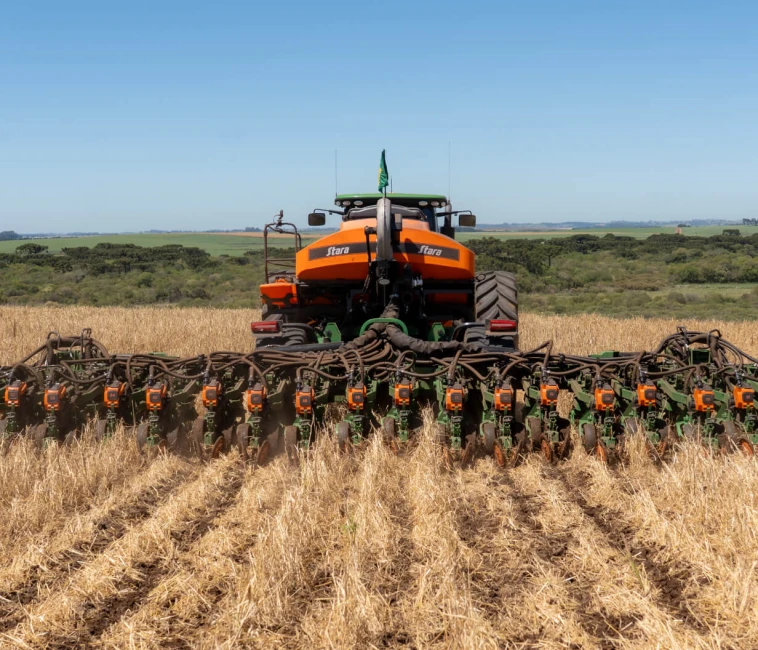
Farm machinery determines whether planting can be completed within the available window. Even with the right dates, planting may be delayed if the fleet lacks capacity, the planters cannot maintain the required work rate, input logistics fall behind or operating speeds compromise planting quality.
During planting, machinery must deliver both efficiency and precision. Increasing speed without considering field conditions, machine setup and capabilities can lead to inconsistent seed depth and spacing and uneven emergence.
Effective planning should cover three main areas:
Sizing the fleet for the planting window
Fleet sizing means calculating whether the available machinery can plant the planned area within the recommended period.
The calculation should take account of the total area, the number of working days available, productive hours per day, working width, suitable forward speed, field efficiency and the time required for refilling, travel between fields and adjustments.
A farm may have a wide planter but still achieve a low work rate if fields are far apart, refilling takes too long or stoppages occur repeatedly during the working day. Conversely, even a large enough fleet may operate inefficiently if the planting sequence has not been properly planned.
Stara Telemetry also allows farmers to compare planned and actual performance in the field.
Work rate: how to calculate machine output
Work rate shows how much land a machine can plant in a given period. It can be estimated from working width, forward speed and field efficiency and is expressed in hectares per hour.
The planter determines the working width, while forward speed must suit field conditions without compromising seed placement quality. Field efficiency indicates how much of the available time is actually spent planting.
Planting speed: increasing output without compromising quality
Planting speed affects both output and planting quality. Operators must work within a speed range that ensures accurate seed spacing, consistent seed depth, stable row-unit performance and uniform fertiliser application.
The optimum speed depends on field conditions, crop residue, soil moisture, topography, machine setup and the metering system. Higher speeds may cover more hectares in the short term but can compromise uniform crop establishment if not properly controlled. This is why effective farm machinery management is so important.
How does farm machinery management help complete planting on time?
Farm machinery management uses data to plan and coordinate planting. It allows managers to track the fleet, monitor progress, identify bottlenecks and adjust logistics while there is still time to act. Real-time data show whether planting is progressing at the required pace, allowing managers to make timely adjustments.
Stara Telemetry: real-time data for planting decisions
Stara Telemetry gives farmers access to machine data so they can monitor and manage field operations in real time and make better decisions. They can track planting progress, check machine status and location, identify the causes of stoppages and spot deviations from the plan, giving them greater control over planting operations.
Stara Telemetry does not replace agronomic planning. Instead, it helps put the plan into practice by bringing machine and field data together for operators and managers.
Stara Machine Monitoring System: keeping the fleet on track during the planting window
The Stara Machine Monitoring System complements Stara Telemetry by monitoring machine performance in real time and helping identify problems quickly.
As part of the Land Space ecosystem, it sends alerts to the Topper controller and Stara Telemetry whenever a monitored parameter falls outside its configured limits.
Topper: greater control over planting
Completing planting within the recommended window depends not only on fleet capacity but also on the quality of work in the field. Topper helps operators maintain planting accuracy and keep operations on schedule.
Its integrated GNSS guidance, automatic section control and precision farming functions help reduce gaps, overlaps and operating errors that can affect both work rate and planting quality.
Topper also brings machine information and settings together in one place, giving operators greater control over key operating parameters. On Stara planters, it also lets operators adjust functions that affect planting performance, helping to achieve more uniform seed placement.
This allows operators to work more accurately and consistently throughout the day, maintaining planting quality while maximising output and making better use of the planting window.
Syncro and Zero Crop Damage: planning traffic for later operations
Planning for the planting window should also consider what happens after planting. Sprayers and spreaders will enter the field at different stages of the season, so their routes should be planned from the outset.
Zero Crop Damage is an exclusive Stara system that automatically switches off selected planter row units to create tramlines. This prevents plants from becoming established in those lanes, reduces crop damage during later operations and can save up to 4% on seed.
Syncro also helps coordinate fieldwork by allowing up to four machines carrying out the same operation to work together and share information. This makes it easier to manage multiple machines and maintain efficiency throughout the season.
By planning tramlines in advance and coordinating operations throughout the season, farmers can organise later fieldwork more effectively and improve operating efficiency throughout the production cycle.
Investment also matters when planning for the planting window
A farm's ability to complete planting within the recommended window depends largely on its available operating capacity. When the fleet is properly sized for the area and equipped with technologies that improve machinery management and efficiency, planting is more likely to stay on schedule.
Seasonal planning therefore also involves investment decisions. Alongside its field technologies, the Stara ecosystem offers options for purchasing and replacing farm machinery, helping farmers choose the solution best suited to their budget and operational needs.
Stara Consórcio allows farmers to plan a farm machinery purchase through regular monthly payments, in line with the farm's plans over the medium and long term.
Stara Financeira offers farmers finance options for machinery and technology that improve operating efficiency, with specialist support throughout the process.
Whichever option farmers choose, the aim is the same: to help them build the right fleet and adopt technologies that help them make better use of the planting window and improve efficiency throughout the season.
How to make the most of the planting window
Now that you understand the factors that affect the planting window, the next step is to put the plan into practice in the field.
1. Use ZARC to identify when the crop can be planted with the lowest climate risk in your region;
2. Set weekly and daily planting targets based on the total area to be planted;
3. Size the fleet to meet those targets, taking into account planter and tractor capacity, refilling time, available working hours, travel between fields and the planting sequence;
4. Monitor planting in real time. Stara Telemetry provides data on machine location, operating status, productive time, causes of stoppages and other performance indicators;
5. Respond promptly to alerts from the Stara Machine Monitoring System and resolve any issues that could slow planting;
6. Review the plan daily and make any necessary adjustments to prevent delays and make the most of the planting window.
Frequently asked questions about planting windows
What is a planting window?
A planting window is the period recommended by ZARC for planting a particular crop in a given region. It is based mainly on climate, soil type, the crop and the planting system. Planting within this window helps reduce climate risk and protect yield potential.
What is ZARC?
ZARC is Brazil's Agricultural Climate Risk Zoning programme. It identifies the lowest-risk planting periods for specific crops in each municipality, based on climate, soil type and crop cycle. ZARC studies use a methodology validated by Embrapa and adopted by Brazil's Ministry of Agriculture and Livestock.
How can I calculate whether my fleet can complete planting within the available window?
Calculate the daily planting target from the total area and the number of working days available, then compare it with the fleet's operating capacity. The calculation should take account of working width, forward speed, field efficiency, productive hours per day, refilling time, travel between fields and stoppages.
How does forward speed affect planting within the available window?
Operating at the wrong speed can compromise planting quality by affecting seed depth, singulation and uniform emergence. The aim is therefore to balance work rate and planting quality.
How does telemetry help during planting?
Stara Telemetry brings real-time machine data together in one place. Farmers can track machine location, causes of stoppages, planting progress and fleet performance, helping them respond quickly and keep planting on schedule.
What happens when planting takes place outside the recommended window?
Planting outside the recommended window exposes the crop to greater climate risk, including water stress, temperature extremes and, in some regions, frost. It may also reduce yield potential and make field operations harder to plan for the rest of the season.
Which Stara machines and technologies help farmers make the most of the planting window?
Connectivity, monitoring and precision farming solutions help farmers plan, carry out and monitor planting. Within the Stara ecosystem, Stara Telemetry, the Stara Machine Monitoring System, Syncro, Zero Crop Damage and the Topper controller give farmers greater control over planting and help improve efficiency throughout the planting operation.
Looking for solutions that can improve crop performance?
Visit a Stara dealer and speak to a specialist. Discover machinery and technologies that help you plan, carry out and monitor planting operations more accurately.