


Soil compaction can severely affect root development, water infiltration and the crop’s ability to take up nutrients. It occurs when soil particles are compressed, reducing the pore spaces that allow water and air to move through the soil and roots to develop.
According to Embrapa, severe compaction can significantly reduce yield, depending on the crop, soil type and weather conditions. This makes it essential to identify the affected area and apply the right corrective measures.
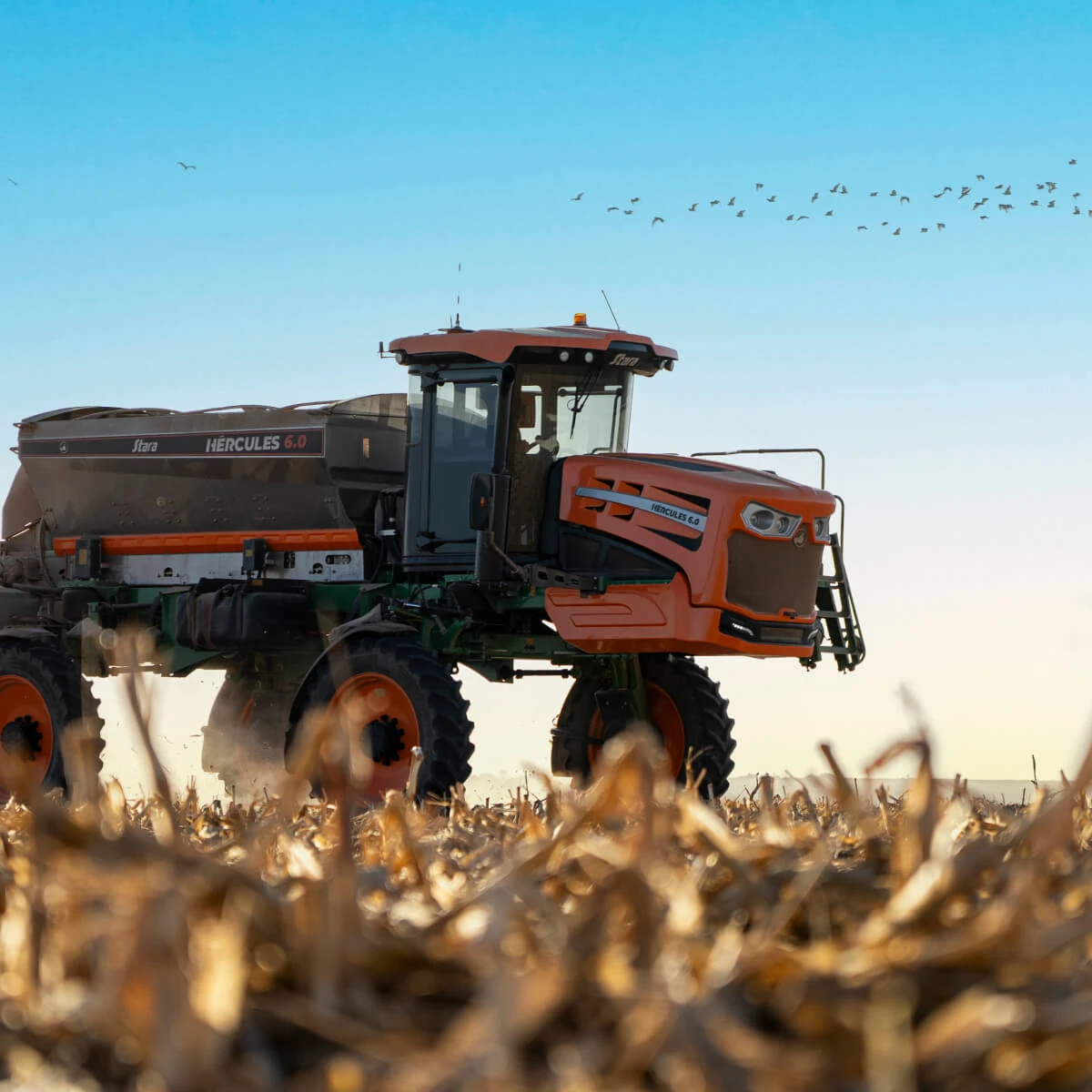
For the farmer, the challenge is to keep agricultural machines working within the right operating windows without damaging the soil’s physical structure. Compaction can occur where there is frequent traffic, repeated passes along the same tracks, machine operation under unsuitable soil moisture conditions, or limited soil cover.
If not identified in time, compaction can restrict root growth, cause water to accumulate on the surface and reduce the efficiency of the next production stages.
Correcting compaction requires an integrated approach that combines accurate diagnosis, proper use of agricultural machinery and conservation practices that preserve the soil’s physical structure.
In this article, you will learn how to identify soil compaction, how maps can support diagnosis, and how Stara agricultural machinery and technologies can help correct and prevent the problem in the field.
What is soil compaction and why does it affect soil health?
Compaction reduces soil porosity, restricts air circulation and water infiltration, and makes it harder for roots to grow.
This has a direct impact on soil health. Water infiltrates less easily, roots explore a smaller part of the soil profile, and the plant may have limited access to water and nutrients, especially during dry periods or in fields with greater variation in moisture.
In areas with frequent machinery traffic, the risk increases when passes are made on wet soil or without proper planning. Under these conditions, the pressure applied to the soil can create compacted layers and affect crop development.
Preserving the soil’s physical structure is therefore an important part of good crop management. Well-structured soil supports water infiltration, biological activity, root growth and the efficient use of applied inputs.
What are the main types of soil compaction?
Soil compaction can occur at different depths in the soil profile. Identifying where it occurs helps the farmer decide whether management should focus on traffic adjustment, improved soil cover or targeted mechanical intervention:
- surface compaction: occurs in the layers closest to the surface and is usually linked to frequent traffic, rainfall, limited soil cover or machinery operating in the field when moisture conditions are unsuitable;
- subsurface compaction: occurs below the surface and is often associated with pressure accumulated over successive seasons. This type of compaction can restrict root growth and reduce the plant’s access to water in deeper layers, especially during dry periods;
- traffic-related localised compaction: appears in specific parts of the field, such as tramlines, headlands and manoeuvring areas. In these cases, traffic history and compaction maps help identify where management should be focused, rather than applying the same approach across the whole field.
What are the main causes of soil compaction on the farm?
Soil compaction occurs when the pressure applied to the field exceeds the soil’s ability to support machinery traffic without deformation. The level of risk depends on soil moisture, soil texture, crop residue levels, management history and the intensity of machinery traffic.
The main factors that influence this process on the farm are listed below.
Repeated machinery traffic
Repeated traffic tends to concentrate pressure in the same parts of the field. When planting, spraying, spreading and harvesting are not organised around planned traffic routes, compaction can become more severe in specific areas.
The impact is greater when machinery travels over soil with excess moisture. Under these conditions, the soil is less able to support machinery weight, making it more likely to deform and form compacted layers.
Soil moisture, texture and structure
The risk of compaction is directly influenced by soil conditions when machinery operates in the field. Very wet soils are less able to withstand machinery traffic, while soils with different clay, sand and organic matter levels respond differently to pressure.
Soil cover and organic matter help protect the surface and improve soil structure. However, traffic still needs to be planned, and machinery should only enter the field when conditions are suitable.
How can you tell if soil is compacted?
To identify soil compaction, the farmer needs to combine field observation, soil profile assessment and technical measurements. A single sign can have several causes, but compaction becomes more likely when the same signs appear repeatedly in the field and correspond to traffic history or areas with lower yield.
The main signs are:
- irregular plant growth;
- patches or strips with reduced vigour;
- water pooling after rainfall;
- increased surface run-off;
- erosion in specific areas;
- shallow roots, roots growing sideways or roots concentrated in the surface layers;
- lower-than-expected crop response, even after well-planned fertilisation.
How do Stara technologies help monitor areas at risk of soil compaction?
Identifying areas at risk of compaction requires data-driven crop monitoring and a clear understanding of machinery movement across the field. Stara technologies help farmers plan operations more effectively, investigate low-performing areas and reduce unnecessary passes:
- Telemetria Stara: provides real-time management of field operations through any device with internet access. For soil compaction management, this monitoring helps identify traffic patterns, reduce unnecessary passes and keep machinery on planned routes across the field;
- Topper: Topper agricultural controller supports precision farming by making machine setup easier, improving visibility over the operation and helping the operator interact more effectively with the equipment. In soil compaction management, these features help monitor crop performance more accurately and guide the investigation of lower-yielding areas, especially when operational data is analysed together with traffic history, root system assessment and soil profile measurements. Auto steering, guidance lines and operational maps also help reduce overlaps and minimise excessive traffic in specific parts of the field;
- Syncro: Syncro system synchronises up to four machines working in the same field, helping prevent overlapping operations and excessive traffic in specific areas. This helps reduce soil compaction.
Stara solutions for correcting and preventing compaction
Compaction management needs to address two priorities: correcting compacted layers when diagnosis confirms that intervention is required, and preventing machinery traffic from damaging the soil structure again.
To address these challenges, Stara agricultural machinery and implements bring advanced technology to the field, integrating soil loosening, planting and planned traffic through precision farming.
Fox subsoiler: loosening the soil while preserving crop residue
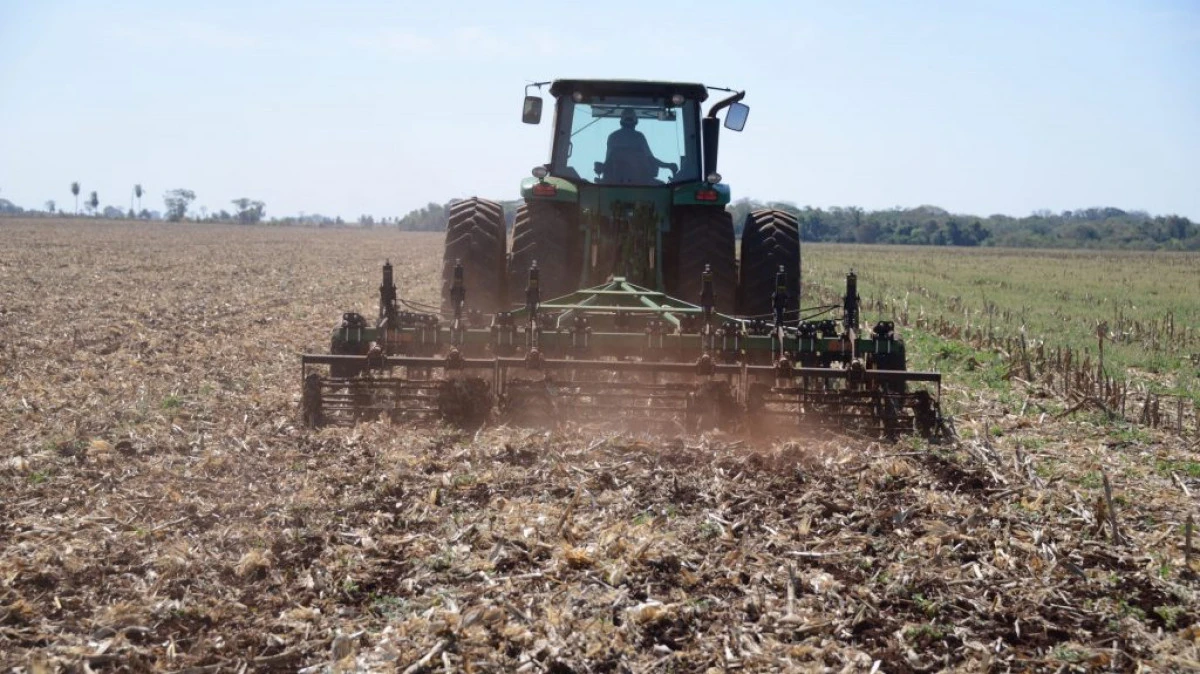
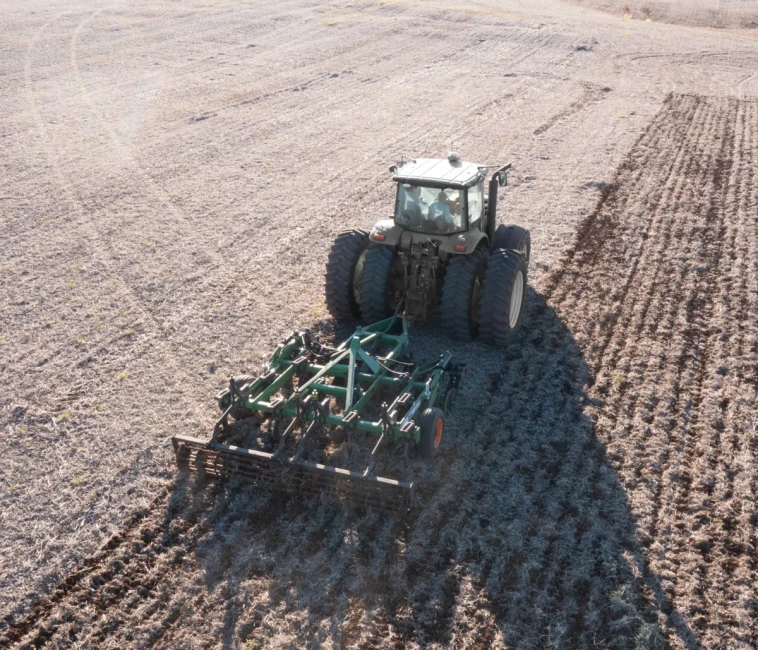
Fox subsoiler is Stara’s main solution for loosening compacted soil in areas managed under no-till systems. It is designed to break up compacted layers without intensive soil disturbance, preserving crop residue on the surface and maintaining the protection provided by soil cover management.
This result depends on the components that work directly in the soil. The cutting discs run ahead of the tines, cutting through crop residue and reducing the risk of blockages. The narrow tines then penetrate the soil and break up compacted layers, depending on machine adjustment and field conditions.
The levelling roller completes the process by helping break down clods and produce a more even finish. As a result, the operation does more than simply break up the compacted layer: It also creates better conditions for the next production stage, particularly where sowing depends on consistent seed-to-soil contact.
Zero Crop Damage: Preventing traffic over crop rows
Correcting compaction is less effective in the long run if further pressure on the soil is not prevented. This is where Zero Crop Damage works as a preventive technology, especially in areas where sprayers and spreaders operate after planting.
The technology automatically shuts off seeding in the rows where sprayers and spreaders will later travel. This prevents seed placement in the traffic lanes used by machinery after sowing.
Besides reducing seed use, this control helps keep machinery within defined traffic lanes. This reduces random passes across the field and lowers the risk of new compacted areas forming during the season.
Stara planters: more consistent planting and less concentrated pressure
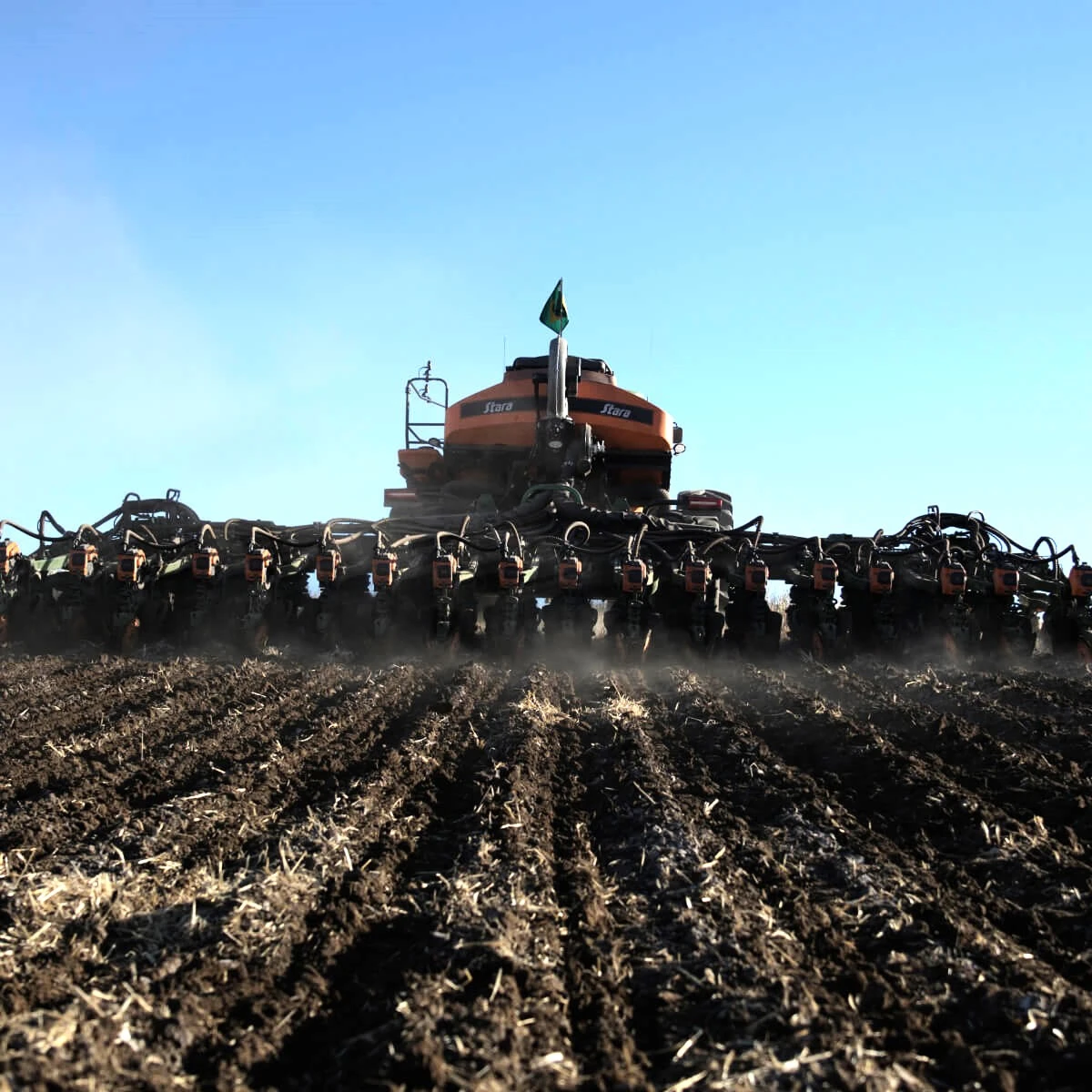
After soil compaction has been corrected, planting needs to remain consistent so the field can take full advantage of the improved soil conditions. At this stage, Stara planters provide features that support stability, weight distribution and sowing quality, depending on the model.
Models such as Princesa and Absoluta, for example, are fitted with high flotation tyres, which help improve stability and reduce soil compaction during travel. They also offer features such as hydraulic row unit downforce control, adjustment through Topper and Stara Integrated Terrain Following, helping maintain more uniform planting across uneven ground.
Together, these features support consistent furrow opening, accurate seed placement and strong early crop establishment.
How to bring diagnosis, correction and prevention together on the farm
As this article has shown, soil compaction needs ongoing management rather than a single intervention. The farmer should start by identifying the signs in the field, then compare these observations with maps, yield history and machinery traffic records before confirming the depth and severity of the problem.
Once the diagnosis is clear, it is easier to choose the right equipment, settings and timing for field operations. This approach helps avoid generic interventions and ensures compaction is corrected according to the actual conditions in each field.
After correction, continued monitoring and prevention help maintain the results over successive seasons. By combining data, agricultural machinery and traffic planning, the farm can reduce the risk of rapid recompaction and build healthier soil as the basis for productivity.
Frequently asked questions about soil compaction
How can you tell if soil is compacted?
The farmer may notice uneven crop development, shallow roots, poor water infiltration, standing water after rainfall and areas that consistently produce lower yields. Confirmation should combine field assessment, farm maps and penetration resistance measurements.
What causes soil compaction?
Soil compaction can be caused by repeated machinery traffic, field operations carried out when soil is too wet, limited soil cover, low organic matter and poor soil structure management.
How do compaction maps support field management?
Compaction maps help identify problem areas and guide intervention only where it is needed. When analysed alongside yield maps and field history, they support more precise management and help avoid treating the whole field unnecessarily.
How can soil compaction be corrected?
Correction depends on the diagnosis. In many cases, subsoiling can break up compacted layers without excessive soil disturbance, provided the operation is carried out at the correct working depth, when soil moisture conditions are suitable and with adequate soil cover.
How can soil compaction be prevented?
Farmers can reduce the risk of compaction by planning machinery traffic, carrying out field operations only when soil moisture conditions are suitable, maintaining soil cover, using crop rotation, choosing the right agricultural machinery and monitoring field conditions throughout the season.
What is the difference between soil compaction and soil densification?
Soil compaction is usually linked to external pressure, such as repeated machinery traffic. Soil densification may occur naturally or develop as a result of the soil’s formation and management history. In both cases, farmers need to assess depth, root development and soil resistance before choosing the most suitable correction method.
Can a subsoiler correct every type of compaction?
No. A subsoiler should only be used when the diagnosis confirms a compacted layer that can be corrected mechanically. In some cases, poor crop performance may be linked to drainage, fertility, soil cover or traffic management, which require additional strategies.
Did you find these suggestions useful and want to know which Stara machine can support soil management on your farm?
Visit a Stara dealer and speak to a specialist to find the right solution for correcting, preventing and monitoring soil compaction in your field.