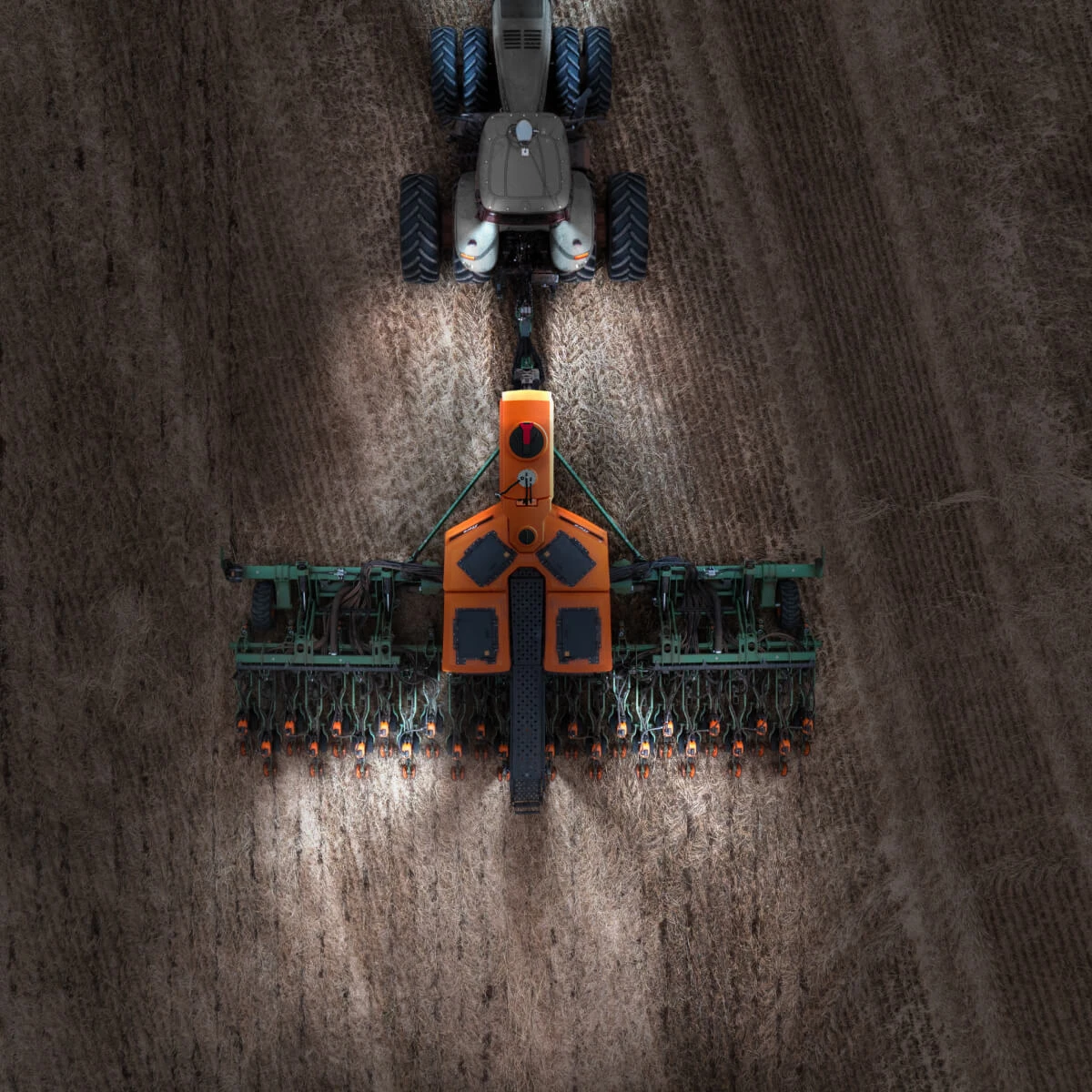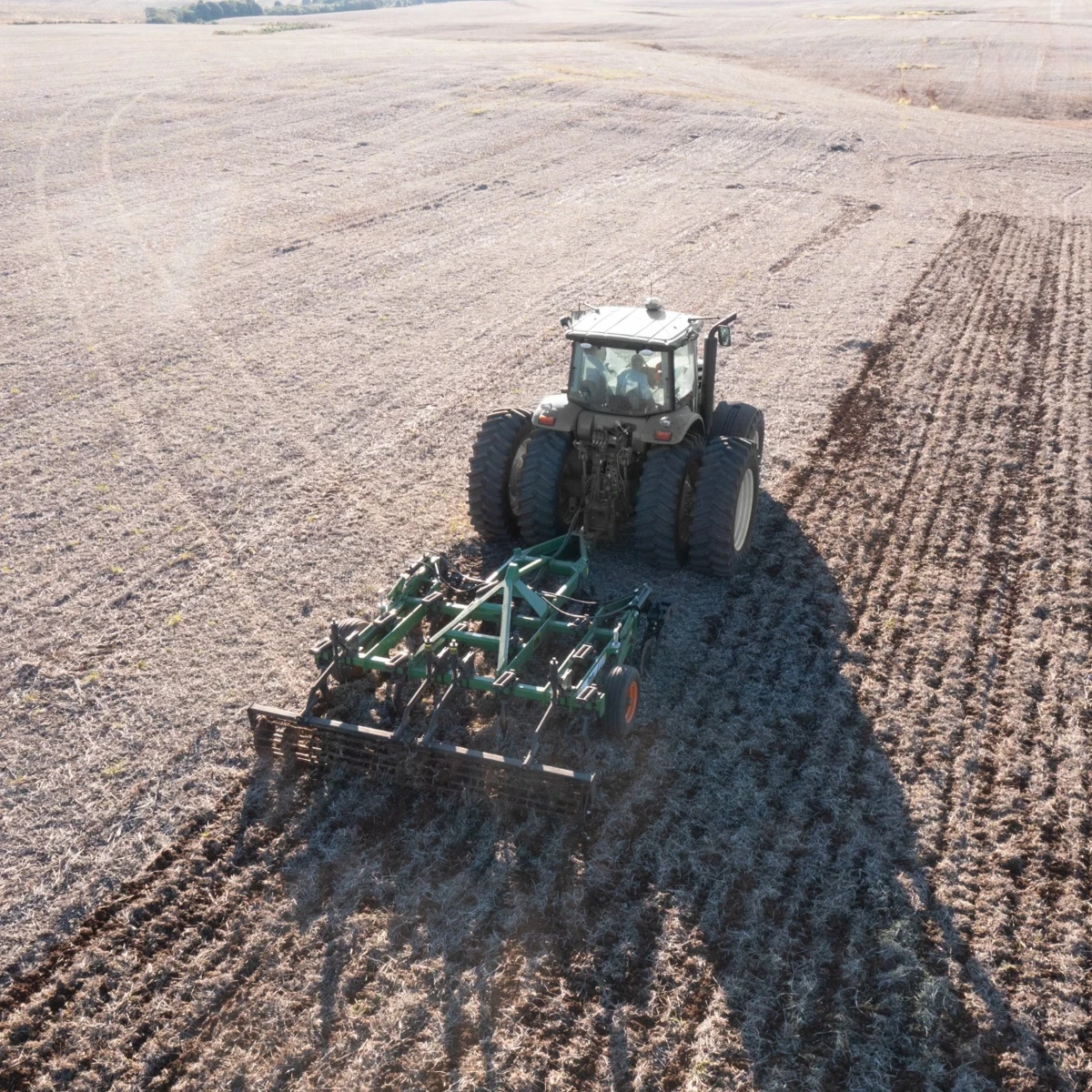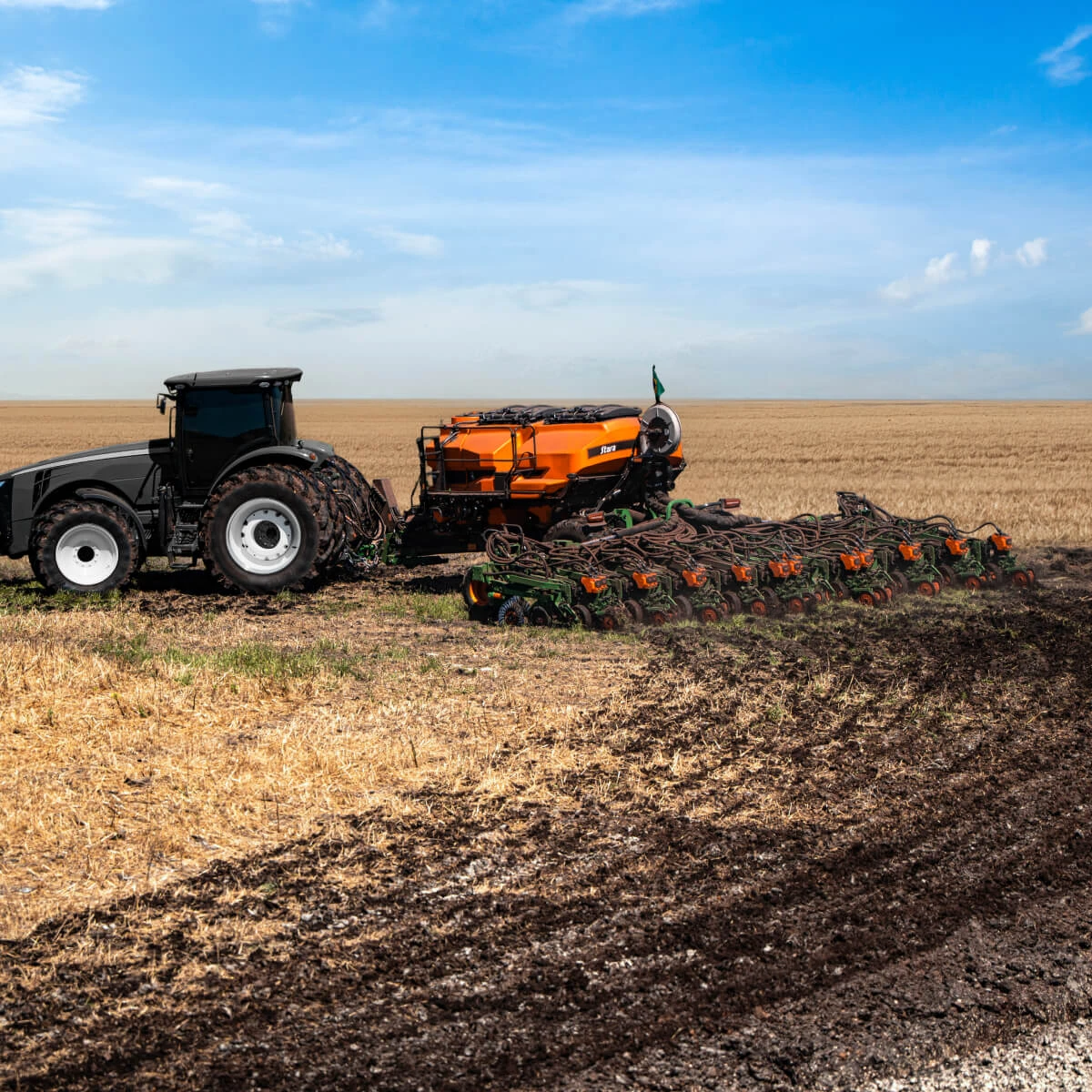



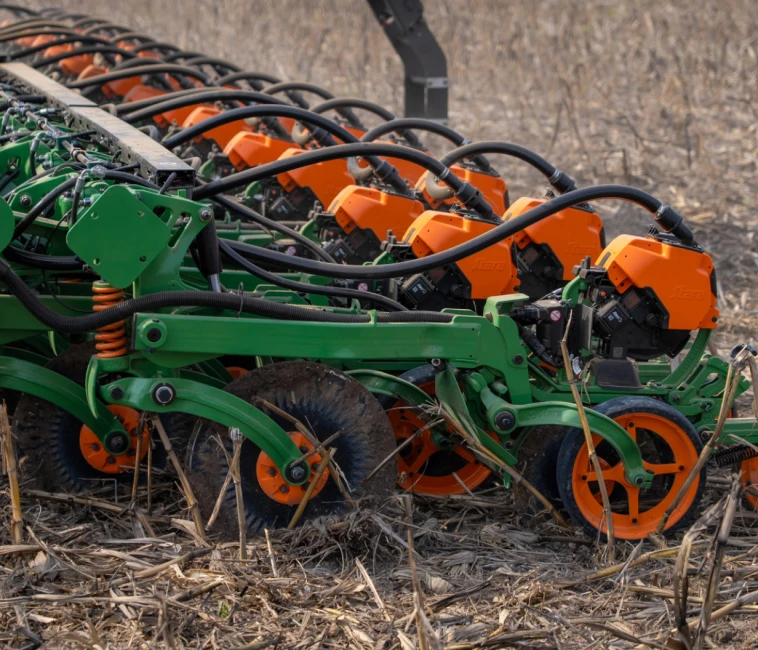
Planning for planting means organising in advance all the agronomic, operational, mechanical and logistical factors needed to establish a crop under the conditions expected for the season.
This includes information about the area, the planting system, the chosen crop, expected weather conditions, inputs, the operating capacity of agricultural machinery, available labour, the appropriate timing of each activity and the characteristics of the region.
A robust plan should answer practical questions such as:
- Which crop will be planted in each field?
- What plant population is planned?
- Is the soil analysis still representative?
- Is soil moisture suitable for planting to begin?
- Have the machines been inspected and correctly set up?
- Are seeds, fertiliser and fuel available?
- In what order will the fields be planted?
- Does the fleet have sufficient operating capacity to complete planting within the recommended window?
The answers to these questions directly affect both the quality of the operational plan and the work carried out in the field.
In this article, you will learn how to plan for planting in a comprehensive way by reviewing the key factors that need to be considered before the start of a new season. Read on!
Why should planting be planned before the machines enter the field?
Planting involves a series of interdependent activities. A decision on plant population, for example, affects planter setup. Soil analysis provides the basis for soil amendment and fertiliser recommendations. The area to be planted and the length of the planting window also influence the operating capacity required, supply logistics and machine availability.
Soil sampling and analysis therefore need to be carried out early enough for the results to guide agronomic recommendations. Embrapa describes chemical soil analysis as a tool for assessing soil acidity, nutrient availability and the presence of elements at levels that may restrict the development of certain crops. It also states that lime and fertiliser recommendations should be based on representative sampling and technical interpretation of the results.
Preparing the machinery already available on the farm and planning the purchase of new equipment are also part of this process. Inspections, adjustments and maintenance must take into account the type of equipment, hours worked, the manufacturer's recommendations and when each machine will be used.
When all these factors are considered together, planning for planting becomes a clear sequence of practical checks.
Pre-planting checklist for an efficient farming operation
A pre-planting checklist should follow the logical sequence of agronomic and operational decisions, from crop planning through to the final machine checks before fieldwork begins.
The following points help organise this process without replacing the recommendations of agronomists, technical manuals or the specific procedures for each piece of equipment. Read on!
1. Review the crop, cropping system and planned plant population
Before setting up the machine, make sure the parameters for each field are clearly defined. Crop, soil type, row spacing and plant population, for example, all have a direct bearing on machine settings.
Check how much seed is available for each field, as well as storage conditions and the planned loading sequence. Where a farm uses different production systems, separating seed batches in advance and recording where each one will be used helps avoid confusion during planting.
Once the agronomic requirements are clear, check whether the available machinery has sufficient capacity to complete planting within the recommended window.
2. Check the planting window and plan the farm schedule
The schedule should take account of the time available, the total area to be planted, the operating capacity of the machinery and support logistics. Planning should be guided by the Agricultural Climate Risk Zoning (ZARC), together with an up-to-date weather forecast, soil moisture at planting and the specific conditions on the farm.
Together, these factors turn the agronomic planting window into a practical working schedule. Once the planting period has been established, confirm that the fields are ready for the crop.
3. Review the soil analysis and determine any amendments required
There is no single approach to soil amendment, so the starting point is representative soil sampling and an up-to-date analysis of the area.
As well as the chemical analysis, assess the physical condition of the soil before deciding on any intervention. This includes compaction, drainage, ground cover and the presence of erosion.
The results can then be used to determine the most appropriate soil amendment and preparation practices for the area and the cropping system being used.
4. Prepare the area for the chosen planting system
Field preparation depends on the cropping history and the production system in use. The operator therefore needs to know in advance the amount and distribution of crop residue, soil penetration resistance, terrain, moisture conditions and any irregularities in the field.
These factors influence settings such as planting depth, row-unit downforce, cutting mechanisms and working speed, depending on the machine model being used.
Once the area has been prepared, inspect and prepare the equipment that will be used for planting.
5. Inspect the agricultural equipment
A pre-planting inspection confirms the machine's overall condition and identifies any adjustments needed before work begins. The operator must follow the technical manual and check the components relevant to the specific model.
Depending on the machine, the inspection may cover mechanical, hydraulic, electrical and electronic systems, as well as systems for seed and fertiliser distribution and in-furrow spraying, where fitted.
Mechanical checks include bearings, chains, gears, discs, shafts, fasteners and lubrication points. Hydraulic checks cover hoses, connections, cylinders, pumps, pressure and actuation systems. Electrical and electronic checks include sensors, wiring harnesses, connectors, modules, the agricultural controller and communication between components.
On a planter or seeder, the operator must also check the seed metering, distribution, cutting and placement systems in line with the machine configuration.
The pre-planting inspection should complement the agricultural machinery maintenance plan, not replace the servicing specified by the manufacturer. Once the machine's overall condition has been confirmed, make sure that all the resources needed to keep it operating efficiently throughout the planned planting period are available.
6. Check fuel, fluids, lubrication and consumables
Fuel supply is another part of operational planning for planting. Before work begins, check that enough fuel is available for the working day, identify the refuelling points and plan the travel involved. Refuelling should ideally be organised in advance to avoid unplanned interruptions.
Oils, fluids, filters and lubrication points must be checked in accordance with the manufacturer's specifications and maintenance intervals. The operator should also refer to the manual for the specific model, as inspection items and maintenance intervals vary between different types of agricultural machinery.
The farm can also organise the consumables expected to be needed during the period, based on its maintenance plan and equipment history. Preparing these items in advance helps ensure that machines are available when required for each operation.
Once these general checks are complete, the machine can be set up to meet the agronomic requirements established at the start of the checklist.
7. Set up and test the machine before planting
Machine set-up should reflect the requirements established for each field. Plant population, seed placement depth, row-unit downforce, fertiliser rates and in-furrow spraying rates, where applicable, should all follow the agronomic recommendations.
On Stara machines, specific features help centralise settings and optimise the operation. On the Princesa, Estrela and Absoluta planters, for example, row-unit downforce and cutting capacity are adjusted hydraulically through Topper. The controller also allows variable rates to be configured and operating parameters to be monitored.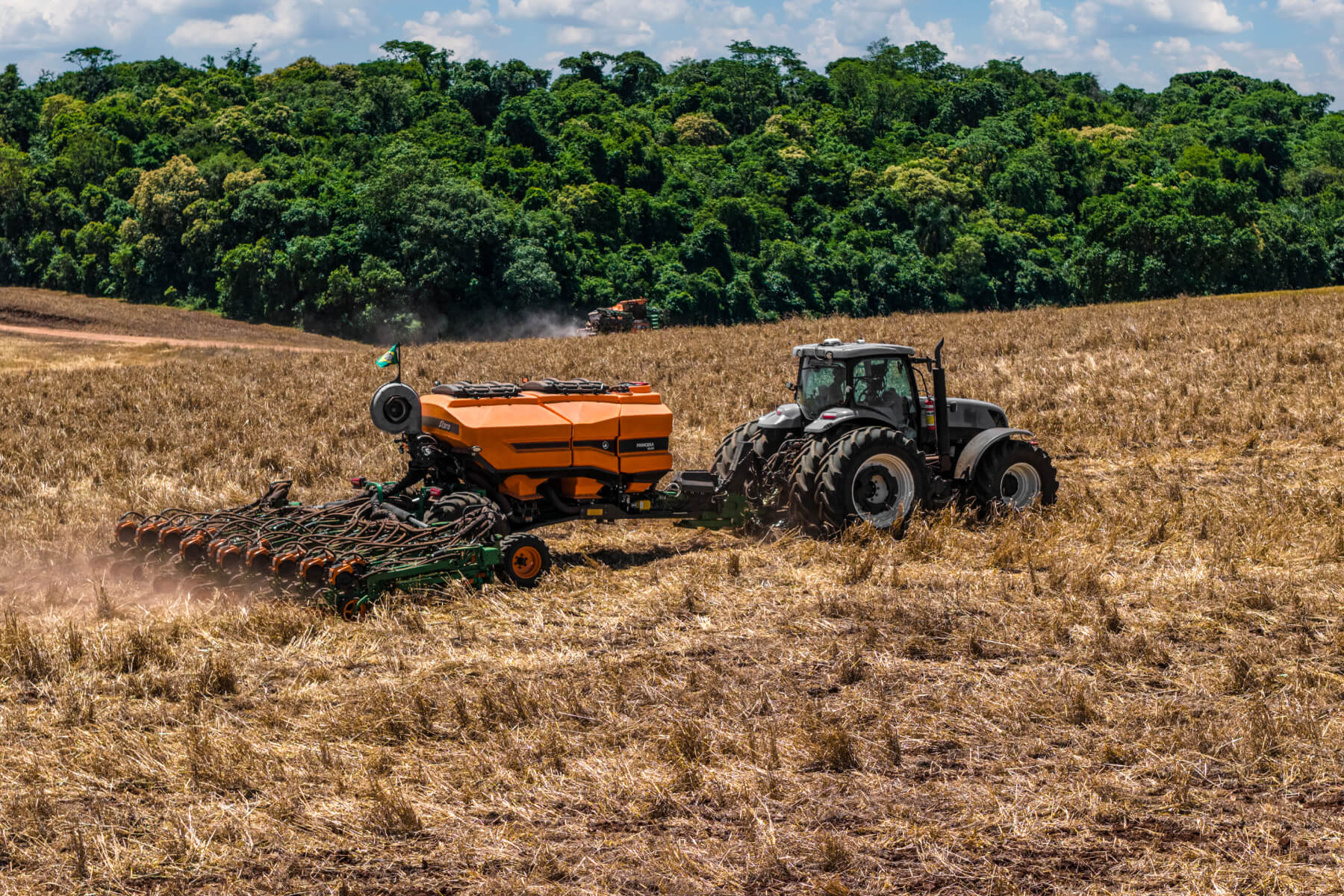
The features available vary, but the principle is the same: set up, test and check the machine before continuing across the field. Mechanical and electronic settings should also be properly integrated with the machine's on-board technologies.
8. Check maps, connectivity and precision agriculture settings
Where precision agriculture technologies are used, all data must be correct, up to date and available on the machines before planting begins. The operator should therefore check field boundaries, guidance lines, prescription maps, signal correction, communication between systems and the parameters loaded onto the agricultural controller. .
Topper, for example, brings the machine's different functions together in a single device, allowing settings to be configured, rates and positioning to be controlled, and operating performance to be monitored through a practical, interactive interface. Variable-rate maps can be sent directly to the controller through the Stara Telemetry Portal or via a USB flash drive inserted into the monitor, ensuring that the required information is available on the machine before planting begins.
On the Estrela, Princesa and Absoluta planters, the Land Space technology ecosystem takes this integration further by bringing together connectivity, monitoring, management and precision features. These machines leave the factory with technologies such as Zero Crop Damage and Row-by-Row Shut-Off already calibrated, reducing the amount of adjustment required before planting.
Zero Crop Damage automatically switches off planting rows in areas reserved for sprayer and spreader traffic, providing seed savings of up to 4%. Row-by-Row Shut-Off switches off individual planting rows when it detects an area that has already been planted, reducing overlap at headlands and field edges and delivering average seed savings of up to 5%.
Once the machine is set up, the remaining logistics can be organised for the operator who will be in the cab throughout the working day.
9. Plan input supply, travel and field sequence
Logistics should follow the planting schedule. The operator needs to know where seed, fertiliser and inoculant will be loaded, which routes will be used, the order in which the fields will be worked and which areas of the farm will require additional travel time.
The sequence should take account of distance, access conditions, crop, the recommended planting window, any need for cleaning or further machine adjustment, as well as input availability and operating capacity.
The fewer logistical decisions that have to be made once planting is under way, the more predictable the schedule will be.
After all these steps have been completed, the settings and parameters should be checked in the field.
10. Check the first passes before continuing across the field
Use the first few metres to confirm the settings established during pre-planting preparation. Compare the results in the field with the configured parameters and the expected quality of the operation, checking planting depth, spacing, seed distribution, fertiliser placement and in-furrow spraying, where applicable.
If necessary, adjust the machine and check the results again before continuing. Agricultural technology helps the operator monitor parameters and alerts, but checking the quality of the work in the field remains part of the operator's routine.
Once the checklist has been completed, planting can begin with greater predictability, with the checks adapted to the characteristics of each production system, crop and piece of equipment.
If an unexpected technical issue occurs during the working day, the operator can request remote support through Conecta. The service puts the operator in direct contact with the factory, allowing Stara Aftersales specialists to access the equipment remotely and help resolve the issue. This saves time and helps provide a more effective response during the operation.
Operators can also use the Stara Operator Portal to find answers to questions, review procedures and build their knowledge of the machine. Available free of charge on the web and as an app, the platform provides educational videos and explanatory material on machine operation, set-up and maintenance. These resources help operators review technical guidance and make effective use of the available features during operations.
How do inspection requirements differ between planting systems?
Planting plans need to reflect the conditions in which the machine will operate in each field. Although the same basic operating principles apply, machine components are subjected to different working conditions under no-till, conventional tillage and minimum tillage systems.
Here are the main points to check for each system.
|
System |
Key points to check before planting |
|
No-till |
Check crop residue distribution, cutting mechanisms, row-unit downforce, furrow opening and the machine's ability to follow uneven ground. |
|
Conventional tillage |
Check for consistent seed placement depth, machine stability on prepared ground, proper furrow closure and conditions that allow seed to be distributed evenly. |
|
Minimum tillage |
Set up the machine for the strips that have been tilled and check transitions between areas with different levels of crop residue, soil resistance and working depth. |
Under no-till, the presence of crop residue and reduced soil disturbance place greater demands on the cutting mechanisms, furrow opening, seed placement and furrow closure. Under conventional tillage, the condition of the tilled soil means particular attention needs to be paid to machine stability, consistent seed placement depth and furrow closure.
The same machine may therefore require different settings depending on the cropping system and the conditions encountered in the field. Field history should be included in the checklist alongside the condition of the equipment.
Are pre-planting inspections the same as farm machinery maintenance?
No. The two complement each other, but they serve different purposes.
A pre-planting inspection is part of the machine's immediate preparation for work. It covers components, refuelling and supplies, machine settings, system configurations and the machine's overall condition before operations begin.
Farm machinery maintenance, by contrast, follows a technical maintenance plan based on factors such as operating hours, service history, equipment type and the manufacturer's recommendations. It may include more detailed inspections, adjustments and scheduled replacement of components to maintain equipment performance and availability.
Stara offers Scheduled Maintenance for self-propelled equipment in its spraying and spreading ranges. The service follows a defined maintenance schedule and manufacturer-specified procedures, using genuine parts and specialist labour.
Although these machines are not used for planting, their availability still needs to be factored into overall farm planning. Spraying and spreading take place at different stages of the production cycle, so the equipment must be available when required by the farm schedule.
Find out more about Stara Scheduled Maintenance
How can agricultural technology support planting plans?
Agricultural technology delivers the greatest value when data and machine settings are incorporated into decision-making before operations begin.
Prescription maps guide variable-rate applications. Positioning systems provide guidance for working lines. Agricultural controllers bring information and controls together in one place. Telemetry allows machine data to be monitored, supporting farm management, while machine monitoring tracks operating parameters and issues alerts when inconsistencies are detected.
For the operator, the main benefit is the link between planning and execution. The machine is set up with parameters that match the field, crop and agronomic recommendations. For the farm manager, the data makes it easier to track progress against the schedule and compare actual work with what was planned.
Planting plans bring decisions together before the planting window opens
Seasonal planning needs to bring together agronomy, machinery, logistics and timing. When field analysis, crop selection, the planting window, inputs, machine settings and inspections are all incorporated into the same schedule, the operator can enter the field with clear parameters for carrying out the work.
The checklist also needs to reflect the characteristics of the individual farm. Crop, planting system, terrain, available machinery and logistical arrangements all affect the order and level of detail required for each check.
Pre-planting preparation should therefore be treated as a technical stage of the production process. It begins with reliable data, continues with field and machinery preparation, and ends by checking the first passes in the field.
Discover Stara solutions for every stage of agricultural production, from planting through to precision agriculture, backed by technical assistance and specialist aftersales support!
Discover Stara products and services
Frequently asked questions about planting plans
What is the difference between a planting plan and a planting schedule?
A planting plan brings together agronomic, operational, mechanical and logistical decisions. A planting schedule defines when each activity should take place and in what order. For example, field analysis, machine set-up and input availability are all part of the planting plan. The target dates for completing each stage form part of the schedule.
How should the order of fields be determined for planting?
The order can take account of the recommended planting window for each crop, field conditions, crop cycles, travel distances, supply logistics and any adjustments required between fields. There is no single sequence that works for every farm. The best order is the one that balances agronomic requirements with the farm's operational and logistical capacity.
What should a planting map contain?
The content depends on the level of technology used on the farm. In general, a planting map may include field boundaries, management zones, guidance lines, the planned crop and planting system, prescription maps, turning areas, relevant obstacles and planned tramlines.
Do the cropping calendar and ZARC serve the same purpose?
No. The cropping calendar provides a general reference for the times of year associated with growing different crops. ZARC identifies periods with a lower climate risk for planting, taking into account the municipality, crop, crop cycle and soil characteristics, in accordance with the official methodology of the Ministry of Agriculture and Livestock (MAPA). Both can support planning, but ZARC has a specific role in climate risk management.
What are the three principles of the No-Till System?
The No-Till System is based on three principles: minimum soil disturbance, permanent soil cover and crop rotation. These principles work together and guide both agronomic management and the selection and set-up of the agricultural machinery used in the system.
Enjoyed this article and want Stara solutions to support your farming operation?
Contact one of our dealers to find out which Stara machines and agricultural implements can help keep your crops healthy and productive.